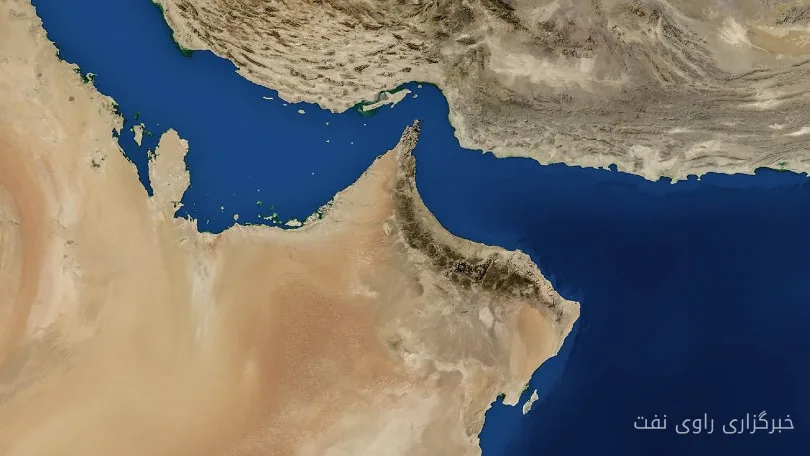
The United Arab Emirates (UAE) is exploring plans to construct a third oil export pipeline that will run from the country's west coast to the city of Fujairah on its east coast. This move aims to increase oil export capacity and reduce dependence on the Strait of Hormuz, a critical point in global trade routes.
Current Pipelines and Their Capacity
Currently, the United Arab Emirates has one oil export pipeline that bypasses the Strait of Hormuz, which has been operational since 2012. This pipeline starts from the Habshan area in Abu Dhabi and reaches Fujairah on the Gulf of Oman, with a capacity of 1.5 million barrels per day, which can be increased to 1.8 million barrels. Additionally, earlier this year, the UAE announced the construction of a new pipeline called the East-to-West Pipeline, expected to be operational by 2027, which will double the export capacity from Fujairah.
Implications of Building the Third Pipeline
Constructing the third pipeline bypassing the Strait of Hormuz could have significant implications for the global energy market. This pipeline would enable the UAE to transport its oil to Asian customers without the need to pass through the Strait of Hormuz. This move could particularly reduce the UAE's vulnerability to potential disruptions, especially as tensions with Iran are rising. According to sources close to the matter, the Abu Dhabi National Oil Company (ADNOC) has been in discussions with some Asian customers regarding this pipeline, although plans are not yet finalized and changes to its route may occur.
In addition to the UAE, other Gulf countries are also exploring and expanding their pipeline routes to reduce dependence on the Strait of Hormuz. For instance, Saudi Arabia and Kuwait are also planning to construct new pipelines, which could weaken Iran's bargaining power in the energy market.
Overall, these projects are of high importance not only for the UAE but for all Gulf countries and could play a significant role in political and economic developments in the region. Given the wide-ranging impacts of these decisions, they are expected to emerge as a key issue in global energy policies in the near future.