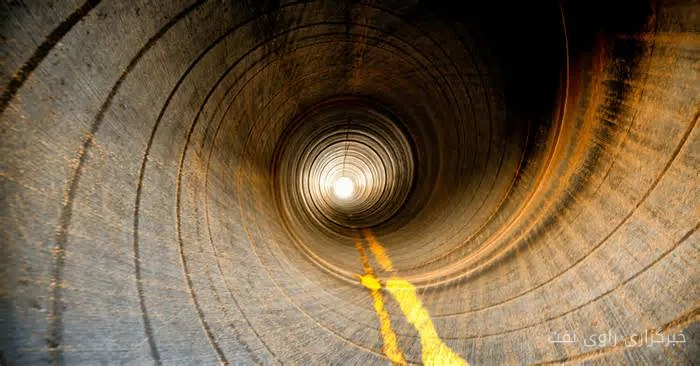
The United Arab Emirates (UAE) is considering the construction of a third crude oil export pipeline that will transport oil to global markets through routes other than the Strait of Hormuz. This action is aimed at reducing dependence on the Strait of Hormuz, which is one of the most important oil transit points in the world.
Background and Necessity of the Project
The Strait of Hormuz is recognized as a strategic route for crude oil exports, with about 20 percent of the world's total oil passing through this strait. However, political and military tensions in this region pose risks to navigation and oil exports. For this reason, the United Arab Emirates is seeking to create new infrastructure to mitigate these risks and enhance its energy security.
Read more: Who is Hossein Rafighdoost, former CEO of Fanavaran Petrochemical?
Details of the New Pipeline
Specific details about the capacity and route of this pipeline are not yet clear, but sources close to the matter have indicated that this new pipeline could send a significant volume of crude oil to global markets. This action could also help strengthen the United Arab Emirates' position in the global oil market and lead to an increase in the country's exports.
Currently, the United Arab Emirates has two main pipelines for oil exports, one of which connects to the port of Fujairah and the other to the Strait of Hormuz. With the addition of the third pipeline, the country could significantly reduce its dependence on the Strait of Hormuz.
Economic and Political Implications
This project could have significant economic and political implications for the United Arab Emirates as well as the global oil market. By reducing dependence on the Strait of Hormuz, the UAE could gain more influence in international markets and strengthen its energy security. This action could also lead to increased competition in the oil market and affect global oil prices.
Overall, the consideration and implementation of this project reflect the United Arab Emirates' efforts to strengthen its oil infrastructure and enhance energy security in critical situations. The country aims to become a key player in the global oil market by expanding its export networks.
Read more: Increase in LNG prices in Asia and Europe due to war and high demand · Holding COP31 conference aimed at achieving 35 percent global electrification