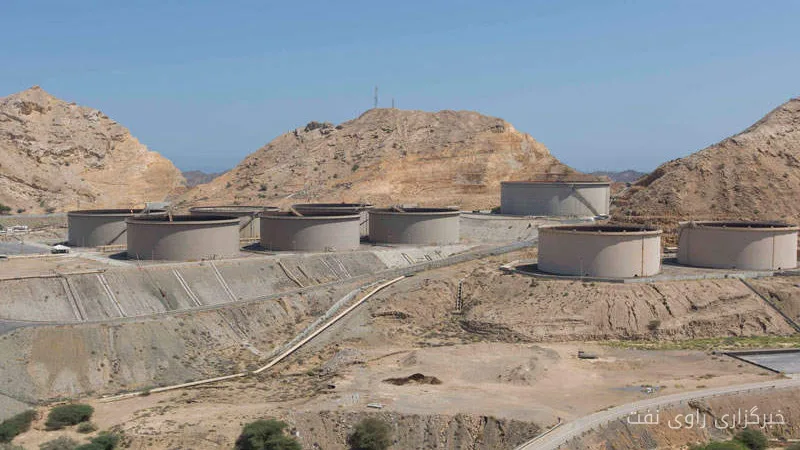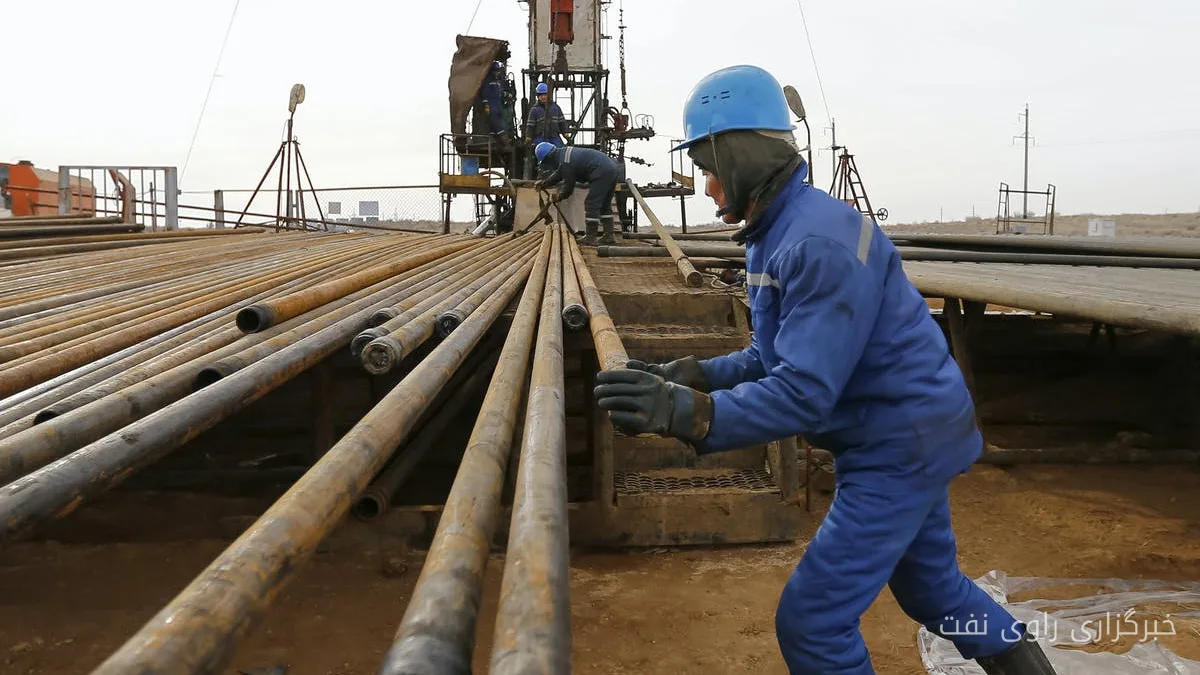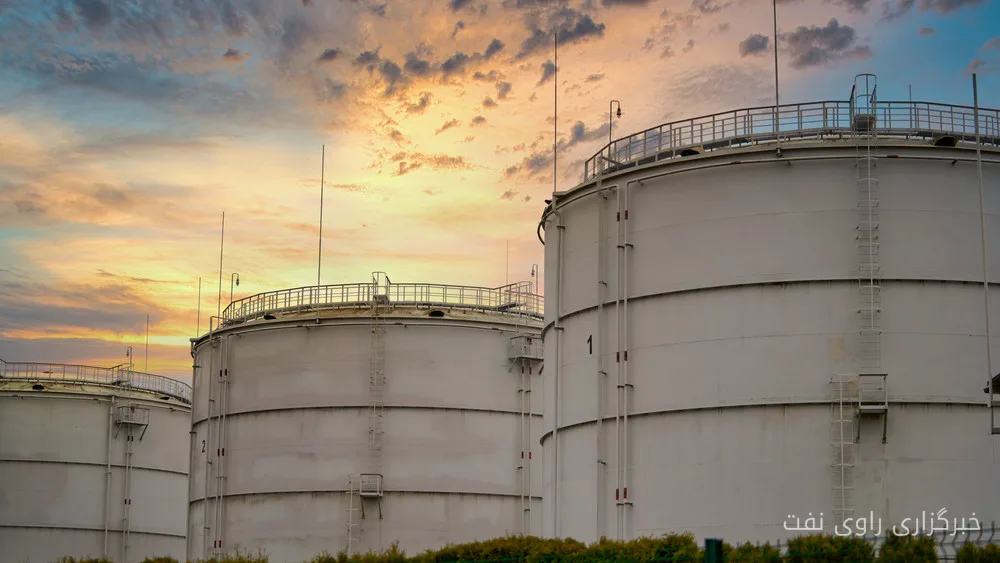
The U.S. Department of Energy (DOE) has decided to release 40 million barrels of crude oil from its strategic reserves. This action comes as gasoline and diesel prices remain high, nearly seven months into the Iran war.
Details of the Oil Release
The barrels will be released through an exchange, marking the final phase of the 172 million barrels of oil that the United States has committed to releasing in an emergency and in cooperation with the International Energy Agency. By the end of August, strategic reserves reached 286.6 million barrels, which is over 445 million barrels below its maximum capacity after an additional 3.1 million barrels were withdrawn in the week ending August 28.
Read more: Qatar Energy Extends State of Emergency for LNG Supply
Current Inventory Status and Fuel Prices
Commercial crude oil inventories have sharply decreased during this period. As of September 1, commercial inventories have dropped by over 48 million barrels in the past 20 weeks. Federal law imposes restrictions on non-emergency withdrawals, and such withdrawals are prohibited when strategic reserves fall below 252.4 million barrels. A report from the Government Accountability Office in 1981 warned that releases should only occur in very severe emergencies.
Fuel prices remain an urgent issue. Gasoline prices in the United States are still above $4 per gallon, and diesel has risen to over $6 per gallon. This situation has arisen due to shortages of intermediate fuels and disruptions related to the Iran war. At the beginning of September, diesel inventories were 14% lower than the five-year average, and gasoline inventories were 6% below normal seasonal levels.
Chris Wright, the U.S. Secretary of Energy, has also urged European countries to adhere to their commitments regarding emergency inventories, as some members of the International Energy Agency have only released a small fraction of what they had committed to. The release of 40 million barrels of oil is not a definitive sale, and companies receiving this crude oil through the exchange are required to return larger amounts of oil in the future. The Department of Energy has stated that the exchange program will ultimately return about 200 million barrels to the reserves.
Read more: Cargo Transfer in the Strait of Hormuz with Mid-Size Vessels in Two Phases · Oil Prices Rise Due to Lack of Progress in U.S.-Iran Negotiations