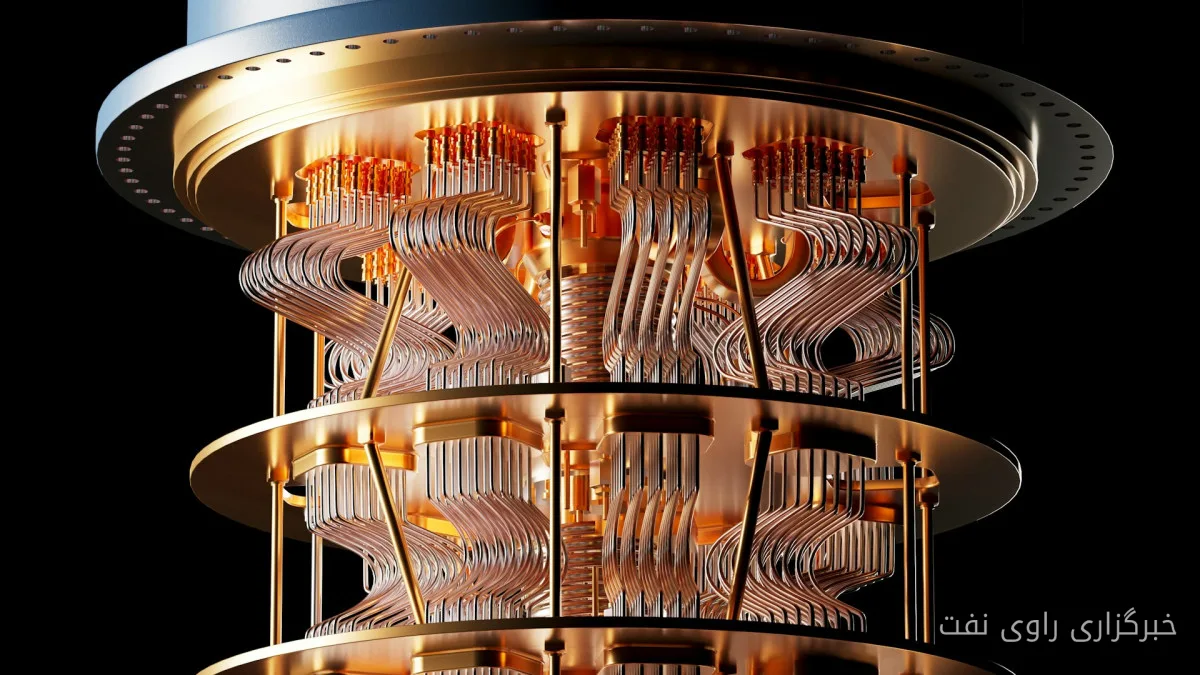
The U.S. Department of Energy (DoE) is seeking to develop the world's first reliable quantum computer by allocating $215 million to domestic companies. With the rise of new technologies, the need for solutions to manage energy demand driven by the growth of artificial intelligence is increasingly felt.
Quantum Genesis Q Competition
The Quantum Genesis Q competition, held by the Department of Energy, is currently accepting proposals for ideas that can utilize quantum computers with at least 100 logical qubits. These computers must be capable of performing hundreds of millions of fault-tolerant operations and scientific applications.
Read more: Stop the development of AI data centers in the United States due to public opposition
Daragh Gill, the Deputy Secretary of Energy for Science, has stated that this competition encourages commercial sector participation to achieve collaboration and competition in the best possible way and to position the United States as a global leader in quantum computing.
Development of Innovative Technologies
The Department of Energy has also launched a complementary program called the "Quantum Computing Performance Validation and Verification Laboratory." This program seeks proposals from the U.S. national laboratory network to develop the necessary tools and expertise to validate the performance of fault-tolerant quantum computers.
A new report from BCG indicates that quantum computers, if sufficiently advanced, could reduce emissions by 20 to 40 percent in hard-to-abate sectors like steel and cement production. Additionally, this technology could be applicable in carbon capture, green hydrogen, and batteries.
Although quantum computers also require significant energy to operate, this amount is negligible compared to the energy consumed by data centers supporting the growth of artificial intelligence. According to provided estimates, the carbon footprint of this sector will be smaller than that of the artificial intelligence industry.
Ultimately, quantum computers could also enhance the energy efficiency of artificial intelligence by altering the performance of large language models. Peter Chapman, President and CEO of IonQ, has specifically emphasized that no other technology can compete with quantum computers in handling similar workloads.
Read more: Digital platforms for gold and silver in Iran and their challenges · Omid Shakri restored 60 percent of the lost capacities in the petrochemical industry