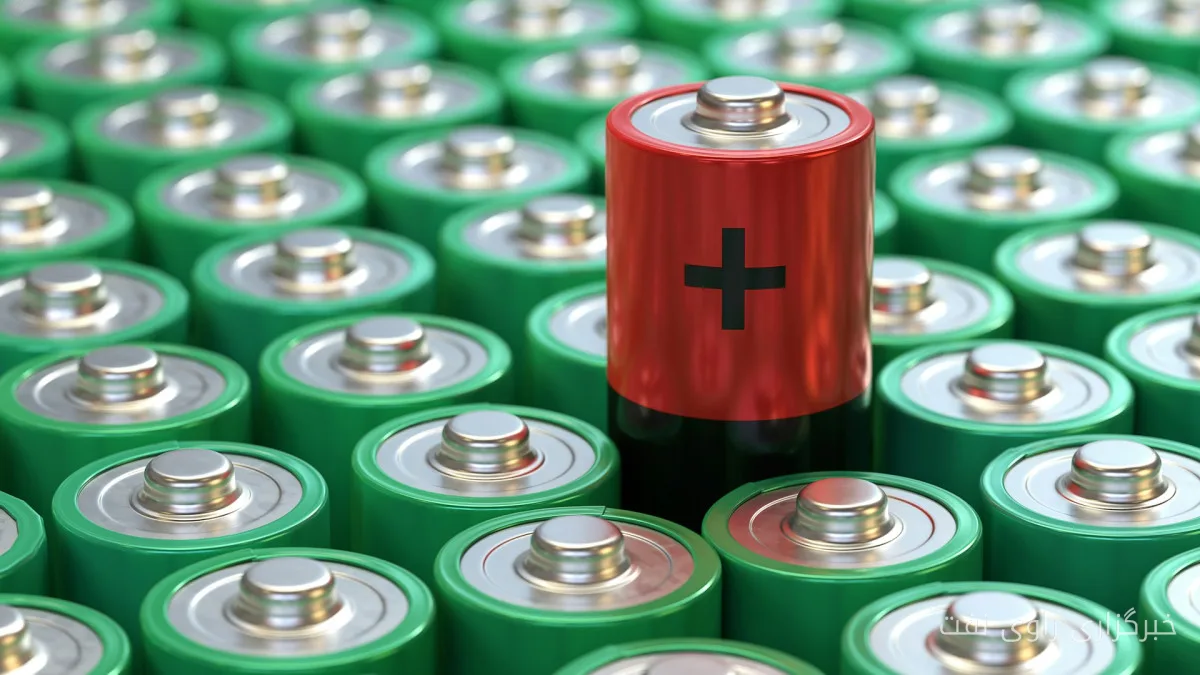
The National Aeronautics and Space Administration (NASA) has developed a revolutionary new battery that could assist the country's return to the moon and also revolutionize energy supply methods for electric vehicles on Earth. This technology can operate at very low temperatures, making it possible to power lunar rovers and tools.
Battery Performance in Low Temperatures
The new batteries remain as laboratory prototypes and have not yet been tested in space. In thermal tests conducted as part of the SPEARS (Solid Power for Extreme Environment Adaptability and Resilience in Space) project, these "cold-resistant" solid-state batteries successfully withstood extremely low temperatures down to minus 274 degrees Fahrenheit (minus 170 degrees Celsius).
Read more: Blue Autonomy Launches Online Academy for Maritime Performance Professionals
These prototypes also maintained performance at low temperatures down to minus 112 degrees Fahrenheit (minus 80 degrees Celsius), although at reduced efficiency. Within optimal ranges, these batteries demonstrated performance at temperatures from minus 76 to plus 176 degrees Fahrenheit (minus 60 to 80 degrees Celsius).
Challenges of the Lunar Environment
These findings represent a significant success for the SPEARS project, which aims to develop batteries that can operate in the harsh lunar environment without a continuous heat source to prevent freezing. At the lunar south pole, where the United States intends to go, temperatures can reach minus 328 degrees Fahrenheit (minus 200 degrees Celsius). Conventional lithium-ion battery models are inadequate for such extreme conditions.
Solid-state batteries are considered a more promising technology for extreme conditions due to their resistance to freezing risks in severe cold and poor performance in heat. Additionally, the liquid electrolytes found in conventional lithium-ion batteries are highly flammable and pose a serious fire hazard.
The development of these solid-state batteries could enhance the safety, temperature tolerance, and efficiency of terrestrial electronics, including electric vehicles, commercial drones, mobile phones, and grid-scale energy storage systems.
Read more: Lloyd’s Register and NSML Unveil New Plans to Create a Global Maritime Association in Nigeria · Successful Cooling Film Test at Valencia Port