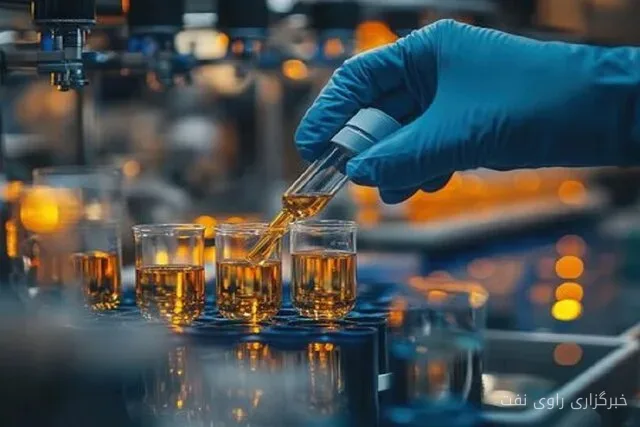
Nanotechnology in the production of oil and petrochemical catalysts is recognized as a key advancement that can help improve product quality and reduce operational costs. Catalysts, especially alumina or aluminum oxide, are considered essential materials in refining and petrochemical processes, and their stable chemical and thermal properties have made them a widely used choice.
Production of Nanostructured Catalysts in Iran
In recent years, several Iranian companies have engaged in the production of nanostructured alumina powders and the necessary catalysts in the oil, gas, and petrochemical industries. One of these companies, which focuses on producing nanostructured alumina powder with a dominant gamma phase, has developed catalysts for use in desulfurization, oxychlorination, and dehydrogenation processes in addition to supplying the raw material.
Read more: Cuba is becoming a solar island
The company Fanavaran is also active in producing catalysts used in the naphtha reforming process. This process plays an important role in producing high-quality gasoline, and the catalysts used in it are involved in the reactions forming aromatic compounds and dehydrogenation.
The Importance of Domestic Catalyst Production
Catalysts used in the oil and petrochemical industries are considered strategic components of this industry, and dependence on foreign sources can pose serious challenges to their supply. Therefore, increasing the domestic production capacity of these products is of special importance in terms of sustaining industrial activities and reducing dependence on imports.
The collaboration of Fanavaran with Abadan Petrochemical is recognized as one of the successful examples of using domestically produced catalysts. Abadan Petrochemical faced challenges in securing catalysts, and utilizing products from this company has enabled the domestic supply of some of its needs. This has led to improved product quality, reduced dependence on foreign sources, and currency savings.
According to available statistics, the global market value of industrial catalysts was about $21 billion in 2010 and is expected to increase to around $26 billion by 2026. Additionally, the market value of refining catalysts was reported to be about $4 billion in 2019. The production of alumina-based catalysts using nanotechnology is an example of the synergy between domestic technological capabilities and the needs of the country's large industries.
The development of nanostructured catalysts not only helps reduce dependence on imports but can also create specialized job opportunities and increase the production capacity of technology companies. Ultimately, assessing the export capacity of Iranian catalysts requires attention to production levels, industrial utilization records, and sales contracts to foreign countries.
Read more: ExxonMobil increases drilling automation system capacity to nine · Behnam Lazemi emphasized the importance of firefighters in the oil industry