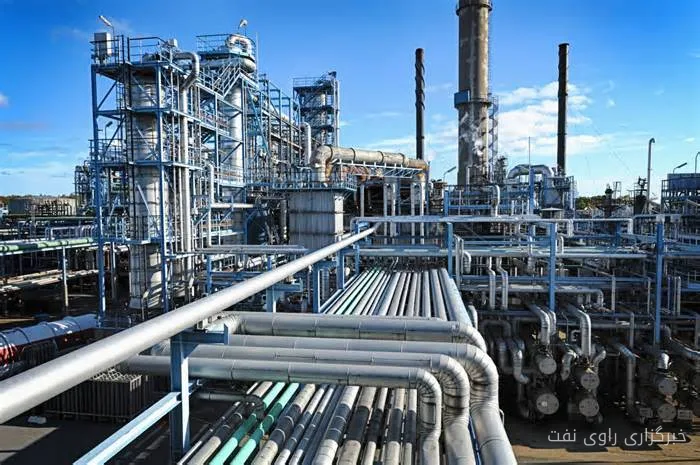
The industrial city of Jubail in Saudi Arabia is recognized as an example of the most efficient utility supply methods in petrochemical hubs. This model, by introducing a "hybrid architecture" based on the economic and operational characteristics of each service, represents an optimal solution for the sustainable supply of water, electricity, and steam for petrochemicals.
Utility Supply Structure in Jubail
In this model, water supply and wastewater treatment are carried out centrally and with economies of scale. Steam is supplied internally within the complexes due to process sensitivity, and electricity is provided with a hybrid structure to distribute supply risk. This model in Iran's petrochemicals requires a precise separation of public services from specific needs.
Read more: ONGC is negotiating to acquire oil fields in Venezuela
The Royal Commission for Jubail and Yanbu is responsible for planning, developing, and regulating industrial cities and follows up on utility supply coordination within its duties. Private companies, including utility companies, are among the most important utility service providers in this city.
Steam and Electricity Supply Model
Electricity in the industrial city of Jubail is provided centrally. Although a significant portion of the production capacity of this utility is supplied by large-scale facilities, the presence of multiple suppliers and the participation of industrial complexes in producing part of their own needs have resulted in this utility having a hybrid structure. This structure helps reduce dependence on a single supplier or physical location and increases the flexibility of the network.
Regarding steam supply, this utility is primarily produced and consumed locally within industrial complexes. The complexes of Sadara, Saudi Kayan, Sepchem, and Tasnim are examples of petrochemical complexes that have dedicated steam units. This approach allows for greater efficiency by keeping steam production close to the consumption process.
The experience of Jubail shows that the criteria for selecting the supply method should be appropriate to the characteristics of the utility. Wastewater treatment, cooling water, and a significant portion of fresh water are suitable for urban shared services due to the need for large-scale facilities and high production capacity. On the other hand, steam and electricity, due to their direct dependence on process conditions and the importance of operational continuity, should be supplied within the complexes.
This experience can serve as a basis for designing new utility structures in Iran's petrochemical industry. The decision-making process regarding the centralization or independence of each service should be based on an analysis of investment costs, process sensitivity, and the possibility of creating alternative capacity.



