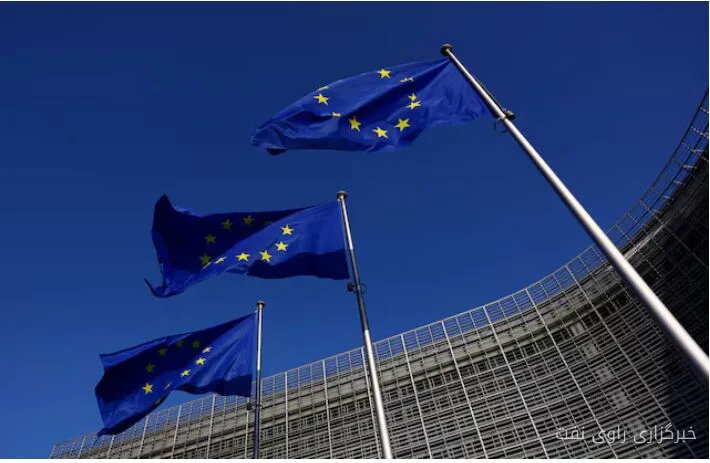
The European Commission announced on Monday (October 5) that EU member states will face serious challenges regarding fuel and energy prices in the upcoming winter. These statements follow the decision of G7 countries to withdraw 100 million barrels of diesel and crude oil from strategic reserves.
Disruptions in Energy Supply and Their Impacts
The war between the United States and the Israeli regime against Iran and disruptions in traffic through the Strait of Hormuz, which accounts for about two-thirds of the world's oil and liquefied natural gas (LNG) flow, have significantly impacted energy supply. This situation has caused many European countries to face shortages of oil and petroleum products and seek solutions to cope with this crisis.
Read more: Baltic Dry Index Drops by 78 Points to 3070
Actions by European Countries
EU member states and other energy entities have turned to withdrawing from their strategic reserves to cope with supply shortages and control skyrocketing oil and fuel prices in global markets. This action comes as it is predicted that this winter will be very difficult for energy consumers in Europe, with prices expected to rise significantly.
Given these conditions, European countries are striving to control prices and meet their energy needs through planning and adopting appropriate policies. Especially as demand for fuel naturally increases in the cold season, there will be further challenges in ensuring sustainable and reliable energy supply.
Read more: Cooperation Agreement Signed to Increase Exports of Technical and Engineering Services · Reduction of 250 Million Cubic Meters of Gas in Iran and Challenges of Winter 1403



