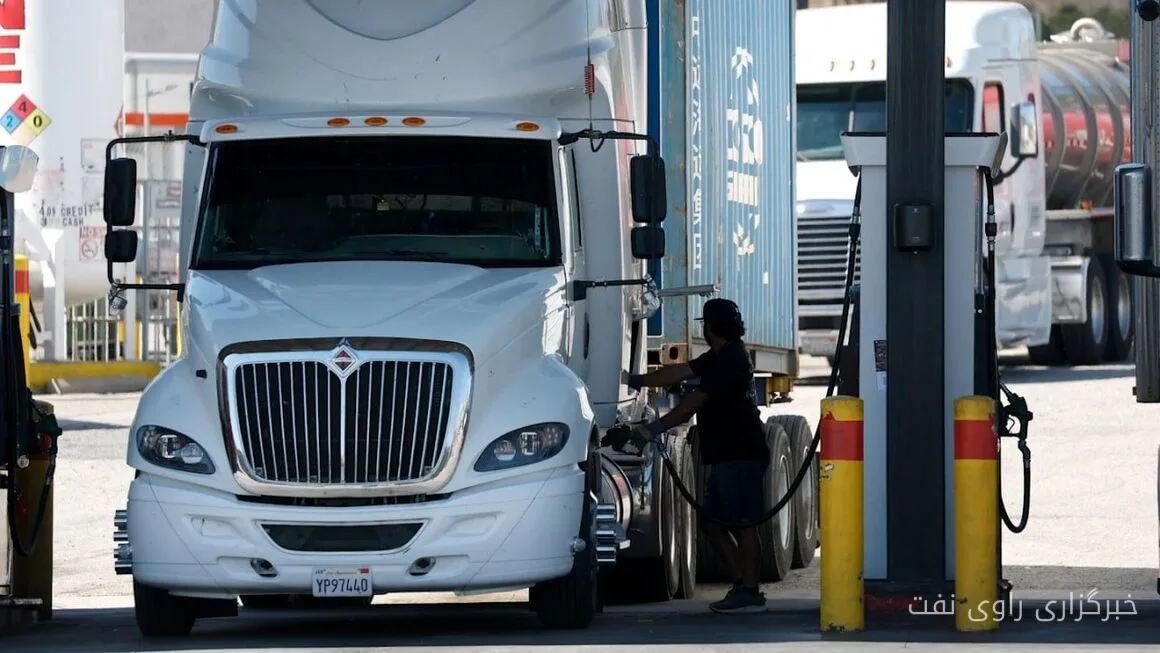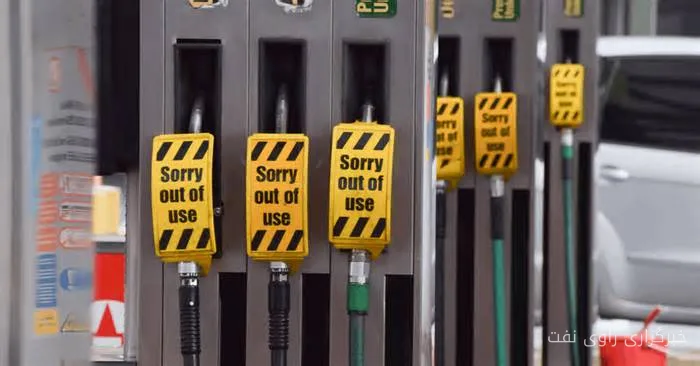
The European Commission has recently announced that there is currently no physical shortage in the supply of diesel and jet fuels in Europe. These statements were made in response to existing concerns about a reduction in the supply of these products, especially during the peak consumption seasons of the year.
Analysis of the Supply Situation for Diesel and Jet Fuels
While the consumption of diesel and jet fuels is increasing due to the rise in air travel and ground transportation, some experts believe that we may face shortages in the near future. These concerns have arisen particularly due to geopolitical tensions and fluctuations in oil prices in global markets. However, the European Commission has emphasized that with sufficient reserves and appropriate planning, it will be able to meet market needs.
Read more: Salam Sotoudeh announced the necessity of national solidarity for managing gas consumption
Fuel Reserves and Economic Impacts
The European Commission also pointed out that the current level of fuel reserves in the member countries of this union is in a good state. These reserves amount to about 90 days of daily fuel consumption in Europe, indicating sufficient capacity to meet market needs under current conditions. In the event of continued price fluctuations and crises, these reserves will act as an important line of defense against shortages.
Given the importance of diesel and jet fuels in the economies of European countries, the sustainable supply of these products is of special significance. Additionally, this sustainable supply can help maintain price stability and prevent severe fluctuations in the market.
Ultimately, the European Commission has advised member countries to closely monitor the market and take necessary measures to prevent any shortages and fluctuations in the supply of diesel and jet fuels. These actions may include increasing domestic production, diversifying supply sources, and enhancing cooperation with oil-producing countries.
Read more: Significant decrease in consumer confidence in the Eurozone to -17.9 · Decrease in U.S. liquefied natural gas demand due to weather forecasts in Europe and Asia