The average price of emission certificates in the European Union emissions trading market last week reached €86.61 per ton, indicating a €0.36 increase compared to the previous week.
Carbon Price Fluctuations and Their Impacts
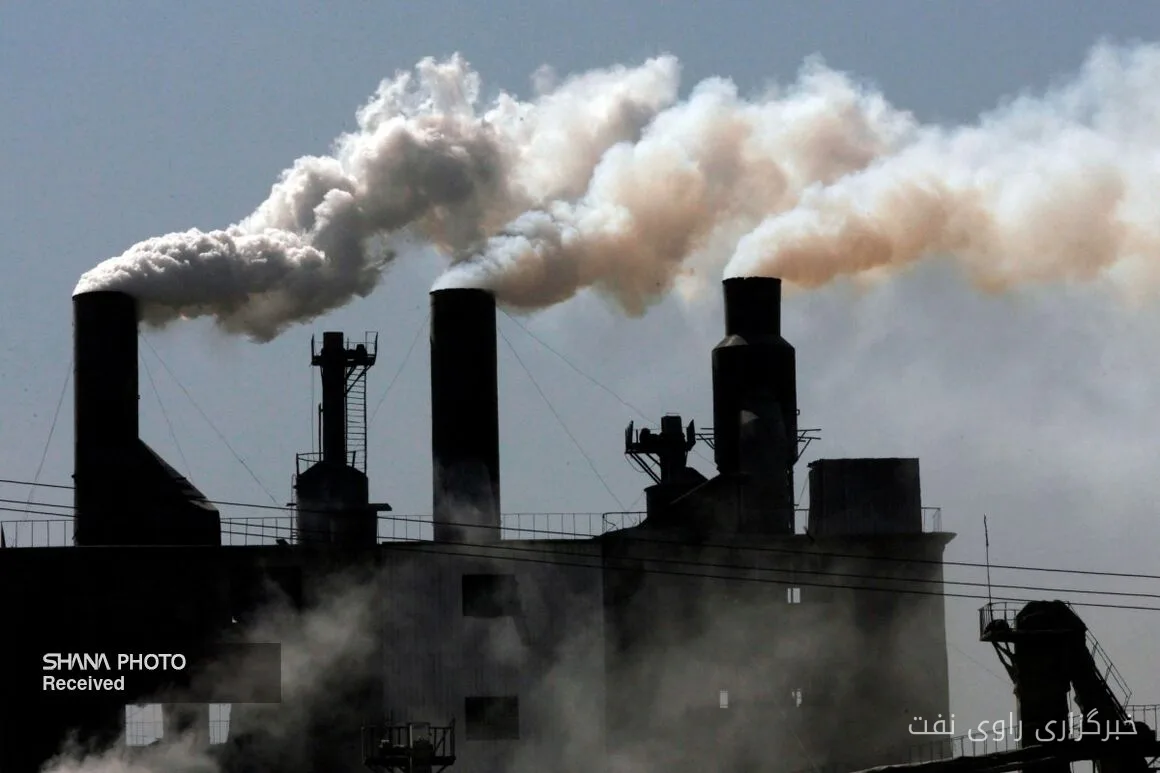
The carbon price fluctuated throughout the week due to factors such as energy price changes, geopolitical developments in West Asia, weather condition forecasts, and transactions related to September options expirations. At the end of trading on Friday, the price of this certificate reached €86.78.
Read more: Global Ship Lease Implements Options for Building New Ships
Hydrogen Production Technology from Oil Reservoirs
One of the significant developments of the week was the release of an economic assessment of hydrogen production technology from depleted oil reservoirs. Eclipse Energy has announced that this technology can produce hydrogen at a leveled cost of €0.56 per kilogram. The emission intensity of this technology is estimated, according to Wood Engineering's assessments, to be around 76 grams of carbon dioxide per kilogram of hydrogen in modeled scenarios. However, these figures result from modeling and technical and economic assessments and do not reflect the performance of a commercial unit at an industrial scale.
This technology converts remaining hydrocarbons into hydrogen and other gases by injecting water, microbes, and nutrients into depleted oil reservoirs. One of the claimed advantages of this technology is the use of existing wells and some of the infrastructure in oil fields instead of constructing new hydrogen production facilities.
Challenges and Future of Carbon Capture and Storage Technology
Despite the advantages of this technology, selecting the appropriate reservoir, the amount of remaining hydrocarbons, controlling subsurface reactions, and separating hydrogen from other produced gases are significant challenges for its commercialization. Eclipse Energy tested this technology in 2025 in an old oil field in the San Joaquin Basin of California, and in initial tests, hydrogen constituted about 40% of the produced gas.
In the Netherlands, the largest industrial carbon capture and storage facility in Europe has been launched. Yara International has announced that this facility has the capacity to capture and liquefy 800,000 tons of carbon dioxide annually. This project aims to store about 12 million tons of carbon dioxide over 15 years and is an example of the development of cross-border carbon capture and storage infrastructure in the European industry.
Read more: Logitech Chooses Emerson's Subsurface Software for Process Optimization · Motive Offshore Enters the World of Underwater Cables with the Purchase of C-Kore