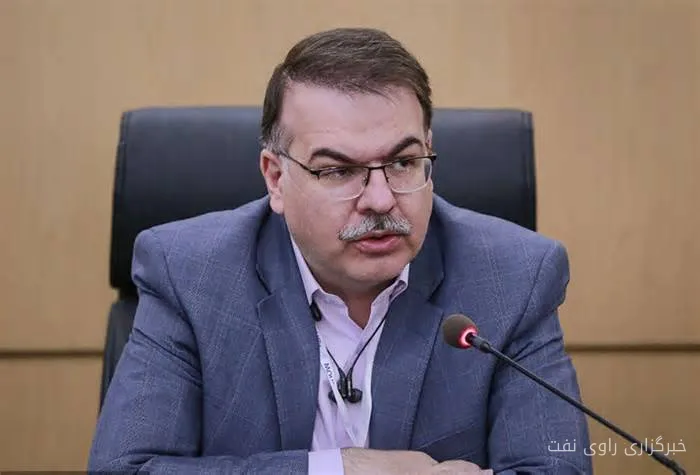
The Deputy Minister of Oil and CEO of the National Petrochemical Company of Iran, emphasizing the importance of reconstructing petrochemical complexes damaged by the imposed war, stated that this action is one of the national priorities. He added: "The rapid reconstruction of damaged units and the completion of unfinished projects is a governmental obligation that must be pursued seriously."
The Necessity of Reconstructing Damaged Complexes
In recent years, many petrochemical complexes in the country have suffered serious damage due to the imposed war and sanctions. These complexes, which have high production capacity, play a key role in meeting domestic needs and exports. According to the Deputy Minister of Oil, the reconstruction of these units will not only increase production capacity but also help improve product quality and enhance competitiveness in global markets.
Completion of Unfinished Projects
The Deputy Minister of Oil also referred to the necessity of completing unfinished projects and said: "These projects have been halted due to a lack of financial resources and problems arising from sanctions, but with careful planning and cooperation with the private sector, we can overcome these obstacles." He emphasized that the National Petrochemical Company of Iran is currently negotiating with the aim of completing these projects and attracting foreign investments.
As part of this program, officials from the Ministry of Oil are seeking to increase the production capacity of petrochemical complexes to 20 million tons per year. Currently, the capacity of these complexes is about 12 million tons. Additionally, with the completion of ongoing projects, this capacity could reach 25 million tons.
The Deputy Minister of Oil, highlighting the importance of petrochemicals in the country's economy, noted: "The petrochemical industry, as one of the economic drivers of the country, can significantly contribute to job creation and income generation. Therefore, the reconstruction and modernization of these units should be prioritized."
Finally, the Deputy Minister of Oil emphasized the need for cooperation among all relevant institutions and agencies to achieve these goals and said: "Only through collaboration and synergy among all branches and sectors of the Ministry of Oil and petrochemical industries can we achieve desirable results."
Read more: Chevron's Profit Growth to $4.93 Billion in Refining · Signing of the Memorandum of Understanding for the Development of the Koohe Asmari and Jurassic Gas Fields by Razi Petrochemical