The CEO of Tabriz Refinery must be accountable for the status of process safety and key risk management indicators in this industrial unit. Following recent incidents, including a fire in the Isomax unit and an explosion of a nitrogen tank, there is a strong need to reconsider management and safety methods.
Safety and Risk Management Challenges at Tabriz Refinery
In any refinery, management performance indicators should include process safety, risk management, mechanical integrity of equipment, technical inspections, major repairs, and emergency preparedness. However, it currently seems that part of the managerial energy is being spent on peripheral issues such as restaurants and equipment relocation. This approach could have irreparable consequences.
Read more: The Complex History of African Refineries: A Controversial Report from Gibson Tanker
The Necessity of Accountability and Corrective Action
After each incident, the main question must be clearly answered: What was the root cause? What barriers failed, and what actions have been taken to prevent the recurrence of these incidents? The CEO of Tabriz Refinery must gain public and employee trust by providing precise and measurable answers. Otherwise, any small mistake could endanger human lives and national assets.
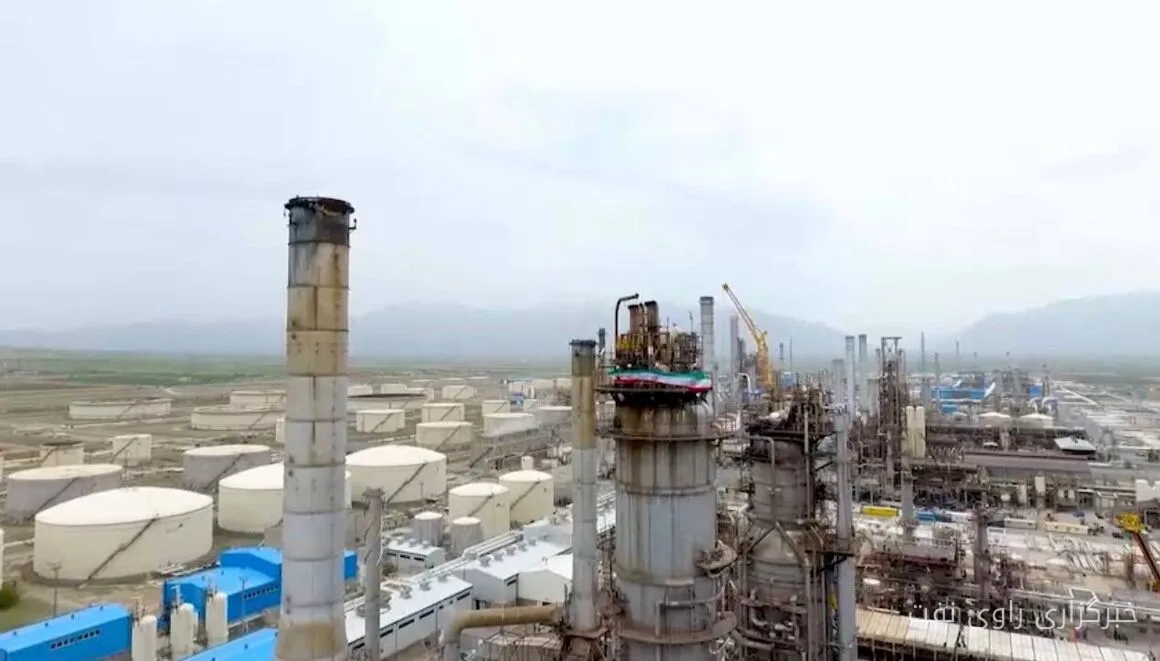
Tabriz Refinery, as one of the key units in Iran's oil and gas industry, has a daily production capacity of 120,000 barrels of crude oil. Therefore, any incident or safety deficiency in this unit affects not only the employees but also the country's energy supply.
Currently, there is a need to change the approach to safety and risk management at Tabriz Refinery. Given the recent incidents, it is expected that the CEO of this refinery will quickly take necessary actions to improve safety conditions and prevent future incidents.
Read more: Why Does Britain Only Cope with Foreign Public Ownership? · Chinese Refineries on the Brink of Reducing Oil Production!