Miankaleh Petrochemical has become one of the controversial topics in recent years in Mazandaran. With the issuance of the Administrative Justice Court's final ruling, the status of 90 hectares of land allocated to this project is now under review and return. This case, which includes legal and environmental issues, began in 2020 and has faced numerous obstacles and challenges during this time.
History and Challenges of the Project
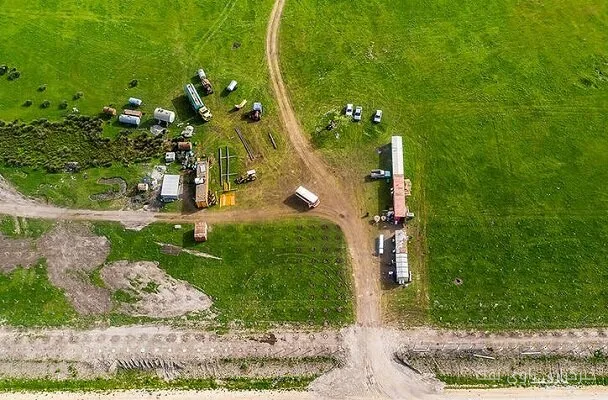
The construction of Miankaleh Petrochemical began in 2020 with the aim of attracting private investment in the Hosseinabad region of Behshahr. This project is close to a wildlife refuge and the international Miankaleh wetland, which has raised environmental sensitivities from the very beginning. In 2021, 90 hectares of pastureland were allocated to the project executor, and with the preparation of the handover minutes, the works entered the implementation phase.
Read more: The reopening of Venezuela's oil trade and the transfer of risk to ships
However, with ongoing disputes regarding environmental permits and non-compliance with legal requirements, construction work was halted. Meanwhile, protests from environmental activists and public sensitivity significantly increased. This issue escalated to regulatory and judicial bodies and ultimately led to the suspension of the project's execution activities.
New Developments and the Administrative Justice Court's Ruling
In November 2023, the Ministry of Oil, citing the lack of an environmental permit and natural gas imbalance, canceled the agreement for the construction of the petrochemical plant. This decision became another obstacle to the project's implementation. Nevertheless, the Administrative Justice Court's ruling regarding the return of lands, especially 90 hectares of national land allocated to the Gohar Mazandaran Petrochemical Company, has become a turning point in this case.
The Ninth Review Branch of the Administrative Justice Court rejected the complaint of the Gohar Mazandaran Petrochemical Company and upheld the ruling of the Monitoring Board under Article 33 of the Forests and Rangelands Protection and Utilization Law. This ruling confirms the authority of the Monitoring Board to address the status of lands allocated to non-agricultural projects and the status of environmental permits.
The Governor of Mazandaran, Mehdi Younesi Rostami, also emphasized the illegality of the project's activities and stated that any executive operations in this regard would be dealt with according to the current laws of the country. He also stressed the necessity of adhering to sustainable development principles and preserving natural resources.
Mohammad Dasmeh, legal advisor to the head of the Natural Resources Organization, announced that efforts to reclaim these 90 hectares of national land are on the agenda, and necessary actions for implementing the Administrative Justice Court's ruling are underway.
Overall, this case has raised serious questions and challenges not only regarding the return of lands but also concerning the future of mother industries in Mazandaran and how to invest in this sector. Given the emphasis on environmental preservation and compliance with legal requirements, it seems that future trends in this area require more careful attention.
Read more: Sepahdar Ansari Nik, CEO of Imam Port Petrochemical, achieved financial goals · Reza Saleh Ahmadi became the CEO of Khuzestan Petrochemical