The Strait of Hormuz, as the main passage for Iran's oil transport, is in a critical and pressured state. In this regard, Iran has turned to new strategies to strengthen its defense capabilities and energy security. Given the importance of this strait in transporting about 20 percent of the world's oil, any tension in this region could have deeper impacts on global oil markets.
Current Situation of the Strait of Hormuz
The Strait of Hormuz, with a daily transport capacity of about 17 million barrels of oil, is a vital point for Iran's oil exports. Currently, security threats and international tensions have turned this route into one of the hot spots in the energy sector. In response to these challenges, Iranian officials are reviewing and implementing new plans and measures to ensure the security of this region.
Read more: Hamid Bord Emphasized the Continuation of Production and Development Programs in the Oil Industry
Iran's Response to Threats
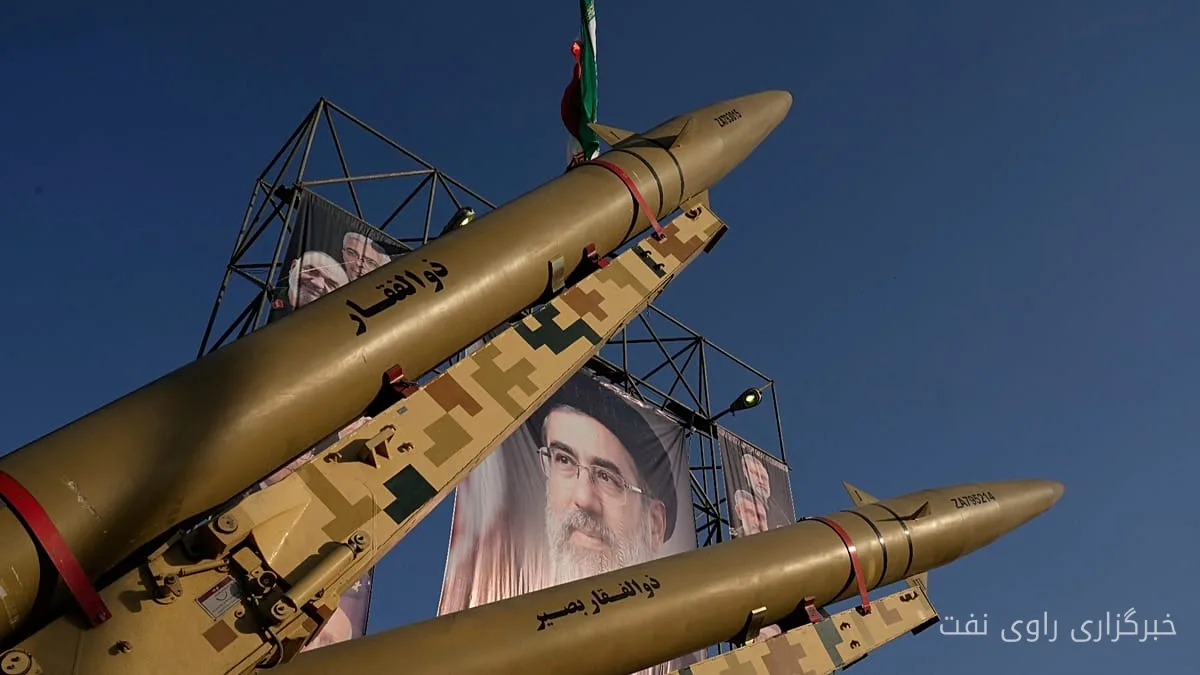
In the face of new threats, Iran has strengthened its military forces and established new security structures around the Strait of Hormuz. These actions include the deployment of naval and air forces as well as optimizing defense infrastructures. The main goal of this strategy is to create a secure environment for oil tankers and minimize risks arising from international tensions.
Moreover, Iran is seeking to establish a stronger defensive network against external threats by increasing cooperation with neighboring countries and participating in security agreements. These actions, along with strengthening energy diplomacy, can help protect Iran's economic and energy interests.
On the other hand, considering the high capacity of the country's oil fields, such as the Azadegan oil field with a production capacity of 600,000 barrels per day, Iran is looking to maintain and increase its oil production. This field, as one of the largest oil fields in the Middle East, plays an important role in meeting domestic needs and oil exports.
Read more: New Head of the Ministry of Oil Introduced · OPEC+ Decision on Oil Production in November