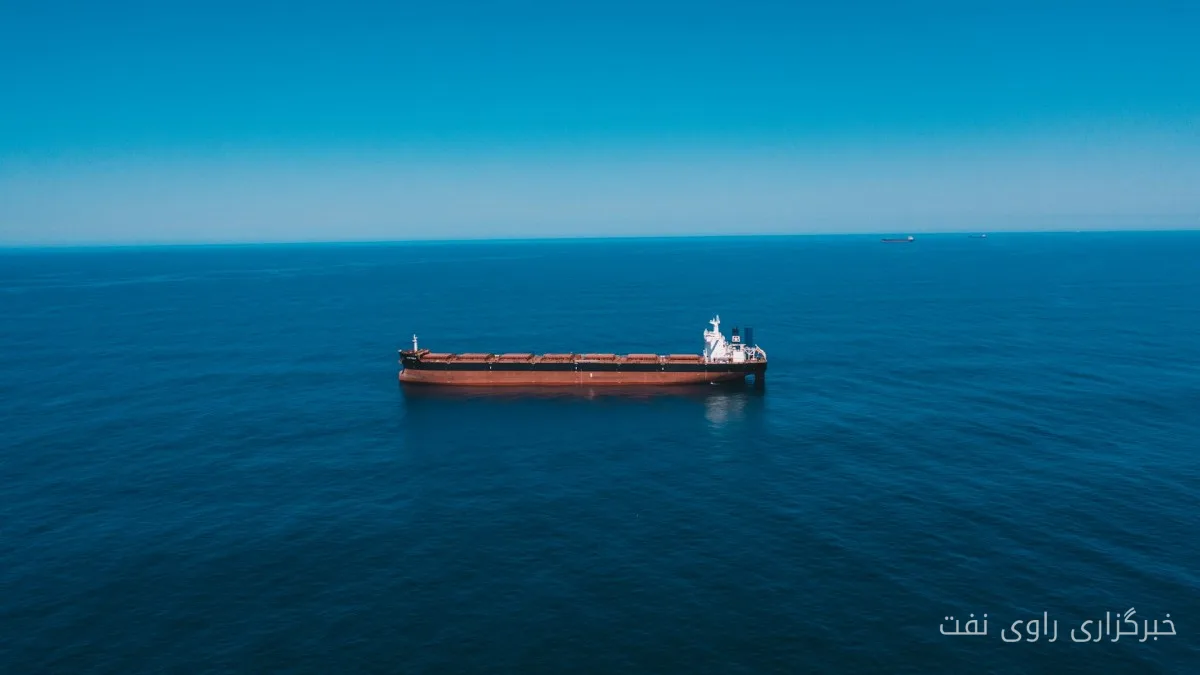
The number of commercial ships observed passing through the Strait of Hormuz dropped to a single-digit figure over the weekend. This has raised serious concerns about oil supply from the Middle East. The shutdown of Saudi Arabia's East-West pipeline, which is used to transport crude oil from the Red Sea to bypass the Strait of Hormuz, is considered one of the key factors in this situation.
Details of Ship Traffic
Over the weekend, the total number of commercial ships that passed through the Strait of Hormuz in both directions reached 14 vessels. Meanwhile, the 10-day average of ship traffic in this area was 14 ships per day for entry and exit. This significant decrease in ship traffic could directly impact oil supply and global prices.
Consequences of the East-West Pipeline Shutdown
The shutdown of Saudi Arabia's East-West pipeline, which has a daily transfer capacity of about 5 million barrels of oil, has led to increased tensions in the oil market. This pipeline allows Saudi Arabia to send its crude oil to global markets without needing to pass through the Strait of Hormuz. However, this shutdown has resulted in reduced ship traffic in this sensitive area and has created new risks for oil supply from the Middle East.
Currently, the oil market is heavily affected by this decrease in traffic, and analysts predict that this situation could lead to an increase in oil prices in the near future. Additionally, these developments highlight the vulnerability of oil infrastructure in the Gulf region and the need for new solutions to ensure the security of global energy supply.