Shell Canada Energy and its partners have made the final investment decision (FID) for the second phase of LNG Canada, which includes two new processing trains. This expansion will double production capacity from 14 million tons per year to 28 million tons per year at the Kitimat facility located in British Columbia.
Project Details and Timeline
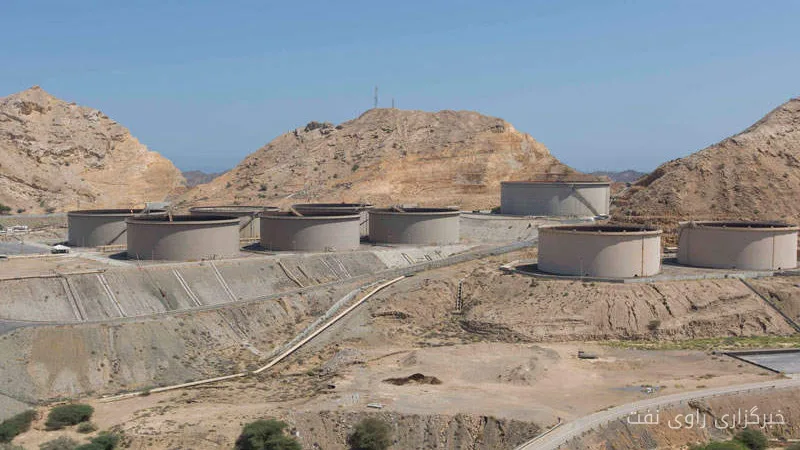
The second phase involves adding two LNG processing trains to the existing facilities, with commercial operations from this expansion expected to begin in the early 2030s. The project also includes a new LNG storage tank, a tank for condensate, and a loading facility, which will be implemented alongside expanded processing and service systems.
Market Impact and Demand Forecast
Shell has stated that the LNG Canada project is a key component of its integrated gas portfolio and will help supply LNG to customers in Asia at a time when energy supply diversity and energy security are becoming increasingly important. According to Cedric Cremers, President of Shell's Integrated Gas division, this expansion will help Shell strengthen its position in Asian markets.
Additionally, the Coastal GasLink project will also increase the capacity of the existing 670-kilometer pipeline by constructing five additional compressor stations. Shell also expects that the second phase of this project will generate double-digit returns and contribute to long-term cash flow growth. Global demand for LNG is projected to rise from 422 million tons per year in 2025 to nearly 700 million tons per year by 2050.
With its recent acquisition of ARC Resources, Shell has expanded its position in British Columbia and Alberta, and this move could help secure the natural gas needed for future projects. Given the rising demand and energy security, the LNG Canada project has become a key focal point in Shell's gas strategy.
Read more: Review of Oil and Gas Cooperation Capacities between Iran and Azerbaijan