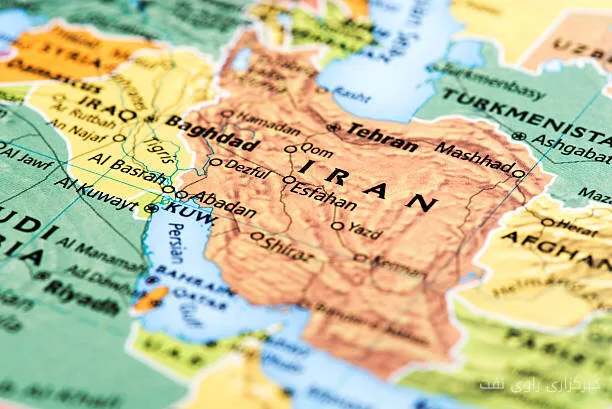
Seyyed Mohammad Taqi Raees Al-Sadat stated in an interview with a reporter regarding the dimensions of maritime and aerial sanctions against Iran that the geographical position of the country can facilitate bypassing imposed restrictions and activating alternative routes.
The Importance of the Strait of Hormuz in the Energy Market
Raees Al-Sadat, referring to the importance of the Strait of Hormuz in the transportation of oil and gas in the region, stated: The reduction of energy shipments passing through this route affects not only Iran but also energy-exporting and importing countries and the global economy. Creating alternative routes, especially for some countries, only compensates for part of these restrictions.
Read more: Swan Defense and Heavy Industries Have the Capacity to Build VLCC
Analysis of Maritime Sanctions
He further added: These restrictions emerged after the 40-day war and following the closure of the Strait of Hormuz as a form of counteraction by the United States and allied countries, aimed at reducing the pressure resulting from the closure of this strategic route. However, this action did not manage to exert as extensive pressure on Iran as anticipated and only created limitations in specific periods and conditions.
The Secretary of the Iranian Geopolitical Association emphasized: Due to Iran's geographical and geopolitical position, the country was able to activate part of the land borders usable for communication with other countries within a few months and continue the process of exporting and importing goods through alternative routes.
He pointed out the role of regional countries in this process, saying: Pakistan and Turkey were not unaffected in this regard; these countries, considering the limitation of the UAE route, tried to take advantage of the created conditions to develop their transit capacities and benefit from the increased transfer of goods through land and regional routes.
Raees Al-Sadat emphasized Iran's geographical position, stating: Iran is located in an area that lies on important east-west and north-south routes, and this position provides significant capacities for the transit of goods and the creation of alternative routes for the country.
He continued: Before the intensification of these conditions, about 21 million barrels of oil were exported daily from this region, but after the closure of the Strait of Hormuz, this figure dropped to about five million barrels; that is, to about one-fourth of the previous amount.
Finally, the Secretary of the Iranian Geopolitical Association stressed the need to pay attention to the consequences of movement restrictions in the Strait of Hormuz and stated: The importance of this issue is not limited to Iran, and other countries such as China are also affected.
Read more: Examining the Challenges of Fuel Supply for the Transport Fleet with Abbas Basafa · Hardip Singh Puri Emphasized the Continuation of India's Oil Product Exports