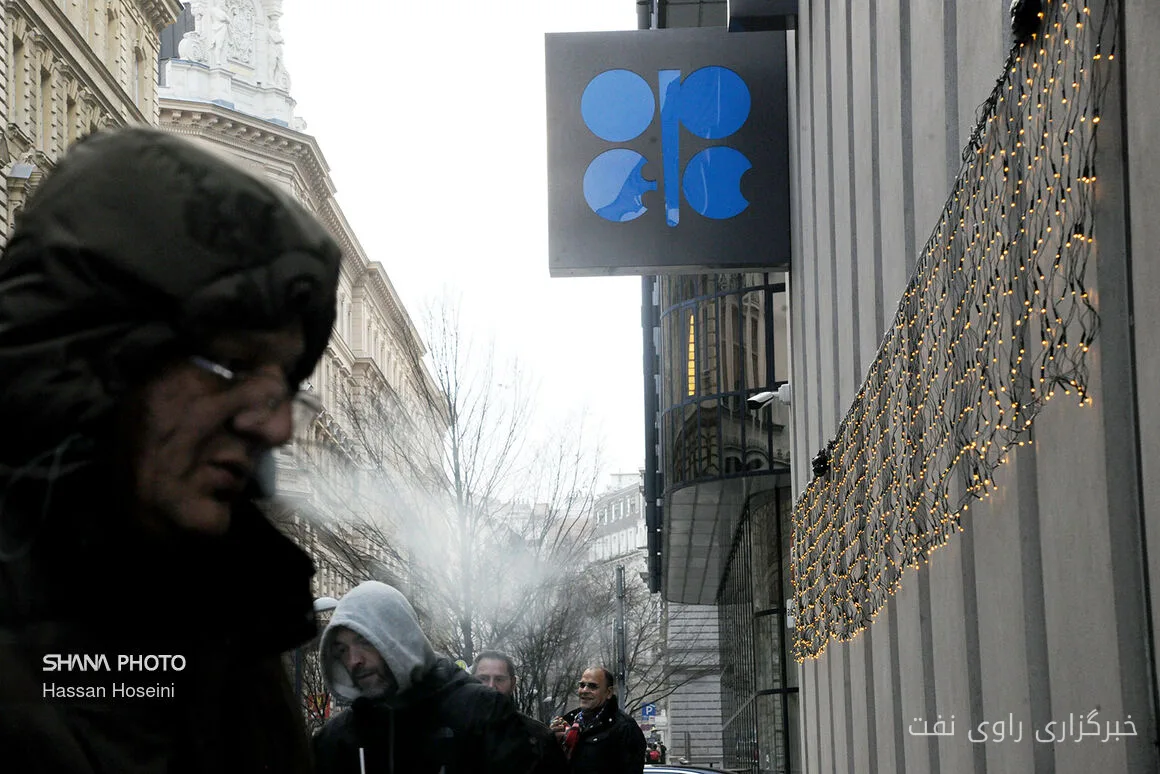
Seyed Ismail Hosseini referred to the importance of the Organization of the Petroleum Exporting Countries (OPEC) and stated: This organization was established in 1960 with the aim of creating coordination among oil-producing and exporting countries, strengthening their position against major oil companies, and increasing bargaining power in the energy market. However, OPEC is not the only determining factor in the global oil market.
New developments and challenges for OPEC
Hosseini added: In recent years, the structure of the oil market has become complex and multipolar. The emergence of large producers outside of OPEC, especially the increase in U.S. shale oil production, technological changes, and energy policies such as the world's shift towards renewable energy, electric vehicles, energy efficiency, and greenhouse gas emission reduction policies, geopolitical developments, wars, sanctions, and disruptions in oil transportation routes have created limitations on OPEC's influence.
The necessity for OPEC to adapt to market changes
A member of the Energy Commission of the Parliament emphasized: Currently, OPEC's influence depends on supply and demand conditions, the level of member compliance with agreements, the behavior of producers outside of OPEC, and global economic conditions. The formation of OPEC+ was also a structural response to a new market reality, showing that it was no longer sufficient for OPEC to make decisions alone, and that managing supply becomes difficult if major producers outside the organization are not aligned with OPEC's policies.
Hosseini continued: The world is on the path of changing its energy mix and developing renewable energies, which will undoubtedly alter OPEC's long-term future. However, this does not mean a rapid end to the oil era, as oil still plays a significant role in various sectors of the global economy, from transportation to petrochemicals and many industrial activities.
He stated: OPEC's power has changed, but it has not disappeared, and to maintain and enhance its position, it must adapt to a rapidly changing market. Various crises, such as the 1973 crisis, the Ukraine and Russia war, and the U.S.-Iran war, have shown that oil is not merely an industrial commodity; it can directly impact the economy, inflation, foreign policy, and national security of countries.
In conclusion, the member of the Energy Commission of the Parliament said: The important lesson for producing countries is that if oil is managed properly, it can be a powerful tool for increasing national income and economic development. However, if a country's economy becomes overly dependent on oil revenue, that same oil can become a point of vulnerability. Therefore, the goal of OPEC member countries should be to maintain stable and predictable prices.
Read more: Apache fined £75,000 · The consumer, the main player in the oil market in the new era