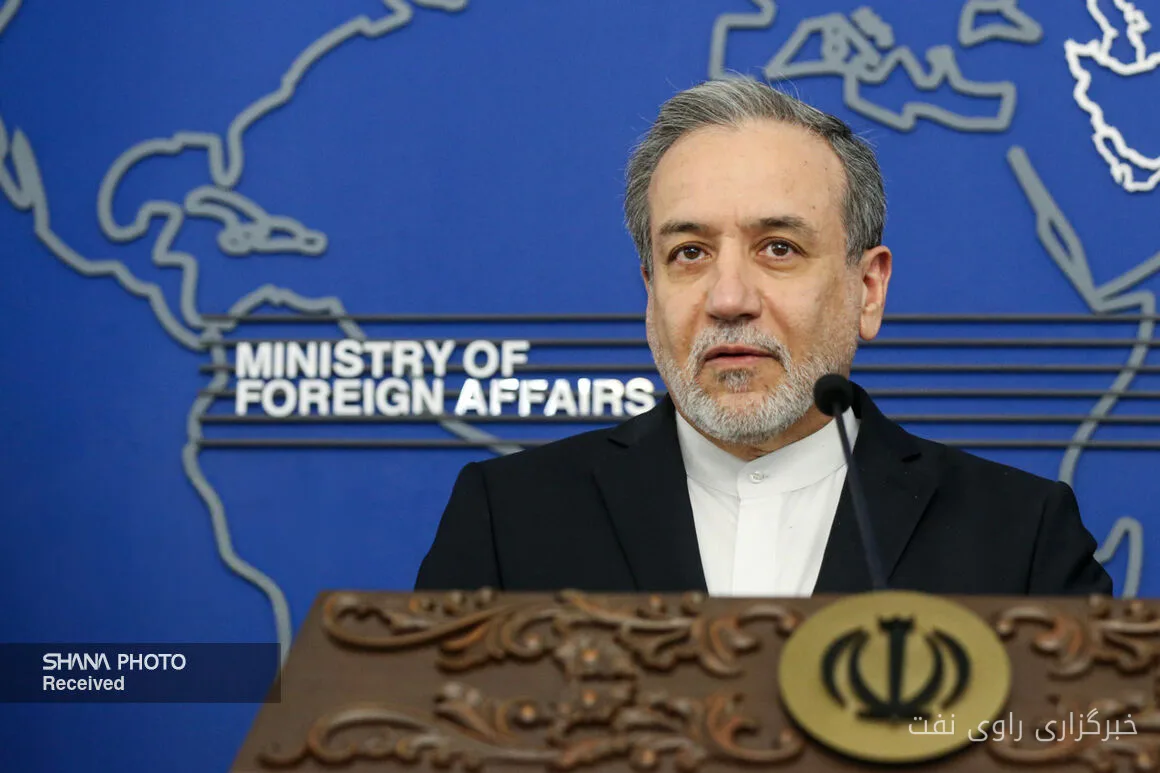
Seyed Abbas Araghchi today (Sunday, October 19) addressed the threats posed by enemy attacks on Iran's energy facilities at the international conference 'Ecocide: The Silent War Crime'. He emphasized that war and conflict do not only target human lives and economic infrastructure but also pose serious risks to environmental facilities.
Devastating Effects of Military Attacks
Araghchi, referring to oil facilities inside and around urban areas of Iran, especially Tehran, said: "Last March, the United Nations Environment Program confirmed that these facilities were targeted in attacks, and oil fires led to the release of hazardous compounds." He added that this pollution can transfer from air to soil and water resources, affecting the food chain.
Economic Damages Beyond Time
The Foreign Minister stated that these damages are not limited to economic aspects, saying: "Military attacks that lead to persistent soil pollution and destruction of water resources can have effects that extend beyond the time and place of the attack." According to Araghchi, children living in war-torn areas today may pay the costs of a war they had no role in for decades to come.
Iran's Readiness for International Cooperation
Araghchi also noted: "Iran is ready to participate in collective efforts to prevent widespread environmental destruction." He emphasized that we must not allow aggressors to evade responsibility for their criminal actions and that we must hold them accountable through cooperation and collective participation. Araghchi concluded by saying: "Nature has no voice at the negotiating table or in war; it is our responsibility to ensure that their silence does not come at the cost of humanity's future."
The international conference 'Ecocide: The Silent War Crime' was held to clarify and narrate the legal, humanitarian, and environmental dimensions of war crimes against Iran and Gaza.