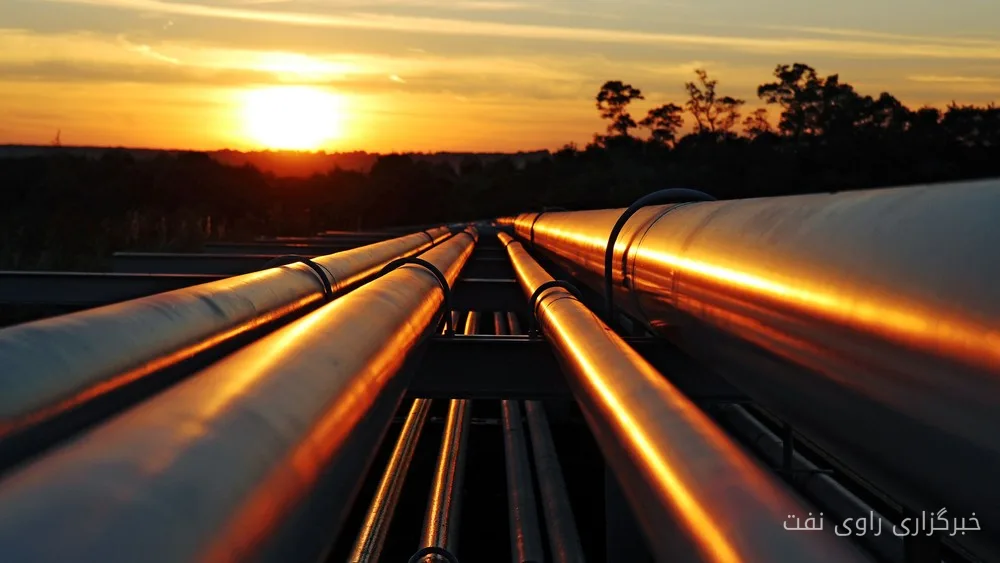
The East-West pipeline in Saudi Arabia, which transports oil to the Red Sea coast, is considered a crucial solution to bypass the Strait of Hormuz. The Strait of Hormuz is the only outlet for ships from the Persian Gulf to the open seas, and currently, this pipeline has been shut down due to recent attacks.
Details of the Attacks and Their Impact on Oil Exports
The Saudi government has announced that the capacity of this pipeline is 7 million barrels per day (mbpd), but due to infrastructure limitations, current exports are estimated at around 5 million barrels per day. However, recent airstrikes on two pumping stations along this pipeline have caused significant damage.
Read more: Proposal to Establish an Energy Bank Instead of an Oil Bank Focused on the Energy Chain
Satellite images show that these attacks have had a significant impact on the pipeline's infrastructure, and the repair or replacement of the damaged stations will be time-consuming and complex. This situation has raised security concerns and indicates that repairs may not simply involve replacing a section of the damaged pipeline.
Strategic and Economic Consequences
After the closure of the Strait of Hormuz, the East-West pipeline became a vital source for supplying oil to the world. However, now with these attacks, the idea of using pipelines as a permanent solution to bypass the Strait of Hormuz has come into question. Missile and drone attacks on this pipeline demonstrate that the security of pipelines is highly vulnerable in wartime conditions.
Global oil suppliers will be significantly affected by this situation, as the volume of oil exiting the Persian Gulf has decreased substantially. Before the war began, the volume of oil transported from this region reached 20 million barrels per day, but now this number has dropped to 7 million barrels per day.
Current U.S. and Israeli strategies regarding Iran seem to remain one-dimensional and ineffective. Analysts believe that, given the capabilities for air attacks, the construction of new pipelines in the Persian Gulf cannot be considered a sustainable solution for reducing dependence on the Strait of Hormuz.
Read more: China Plays a Key Role in Determining Oil Prices · Khangiran Region Prepared for the Cold Season; Major Repairs of Oil and Gas Facilities in the East