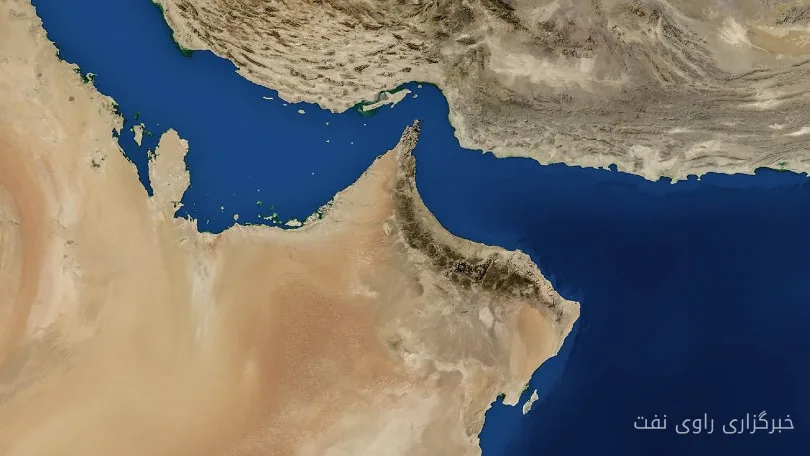
On Wednesday, Saudi Arabia loaded nine very large crude carriers (VLCCs) at its Gulf export facilities. This activity marks the highest level since tensions in the region began at the end of February and indicates a gradual return to pre-crisis loading levels.
Loading Details and Tanker Capacities
Satellite images from the Sentinel 2 satellite show that these nine tankers are anchored at Saudi platforms, with a total carrying capacity of approximately 18 million barrels. Although these ships may not move in a single day, these loadings will gradually contribute to Saudi oil exports.
Read more: TotalEnergies Transfers 40% of OPL257 Field in Nigeria to SAPETRO
Analysis of Crude Oil Export Status
Traders are closely monitoring Middle Eastern oil flows and observing signs of increased exports from the Gulf similar to pre-tension levels. However, a single day of tanker loadings cannot guarantee a sustainable increase in Saudi exports. For example, images taken on Sunday show that only two tankers were anchored at similar locations, and one other vessel had departed from the platforms.
The availability of satellite images varies depending on the orbital path and weather conditions. In 96 images captured by Sentinel 1 and Sentinel 2 satellites from mid-June to now, the average number of platforms used each day has been only two. Approximately one-third of these images indicate that all platforms were empty.
Status of Red Sea Oil Terminals
At Saudi Arabia's Red Sea oil terminals, activity remains at a lower level. A Wednesday image from the Sentinel 1 satellite shows that four tankers are anchored at the seven available platforms. These tankers include two VLCCs and two smaller tankers, likely of the Aframax type.
Overall, this increase in tanker loadings may be a sign of improving conditions for Saudi oil exports, but a more accurate assessment requires observing ongoing and sustainable trends in the coming days.
Read more: Search Continues for Two Missing Crew Members After Sinking of Prospector 5 · Transformation in the Product Tanker Market Due to Changes in US-Russia Energy Relations