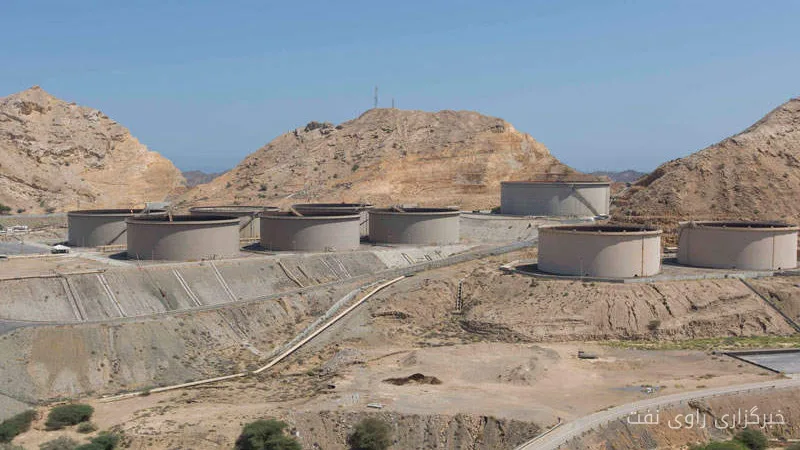
Saudi Arabia has recently announced its intention to launch a crude oil storage system in the Jurong Rock Caverns in Singapore. This project is designed to strengthen Singapore's energy security and enhance the reliability of Saudi Arabia's oil supply chain in Southeast Asia during critical times.
Details of the Storage Project in Singapore
The operations of this project are expected to begin in the second half of 2027. As one of the largest oil producers in the world, Saudi Arabia is striving to increase its oil delivery capabilities in various regions by establishing new facilities. This initiative is particularly significant for energy supply during times of crisis.
Read more: Challenges and Opportunities of the Iran War for Woodside Energy in Louisiana LNG Marketing
The investment in this project reflects a shift in Saudi Arabia's approach from merely increasing production to enhancing reliability and diversity in the energy supply chain. This change has become particularly evident following recent tensions in the Middle East and their impact on global energy markets.
Developments in the Energy Market and the Importance of Energy Security
In recent years, the energy market has increasingly been affected by crises and geopolitical tensions. Wars and sanctions can have significant impacts on access to energy resources. Given that about one-fifth of global oil and liquefied natural gas trade passes through the Strait of Hormuz, this region is recognized as a critical point for energy supply.
For instance, Qatar, one of the largest suppliers of liquefied natural gas (LNG) in the world, is entirely dependent on the Strait of Hormuz. This dependency makes Qatar vulnerable to potential crises. For this reason, Qatar Energy is securing LNG supplies from the United States, including a 20-year agreement to purchase up to 3 million tons annually from the Woodside Energy LNG project in Louisiana. This allows Qatar to diversify its supply sources and reduce existing vulnerabilities.
At the same time, Canada has also increased its liquefied natural gas supply capacity from 14 million to 28 million tons per year with the approval of phase two of the Canada LNG project in September. This project provides Asian customers with access to a new and large source of liquefied natural gas while bypassing the Strait of Hormuz and longer routes to East Asia.
Overall, these developments highlight the increasing importance of energy security on a global scale, especially as energy markets are influenced by political tensions and geopolitical crises. The fact that "cheap material" does not always mean "valuable material," especially when its supply routes may be disrupted, underscores the need for greater attention to energy supply and security.
Read more: SLB OneSubsea Receives Lira Subsea Systems Contract from Aker BP · OPEC, IEA, and IEF Technical Meeting to Review Marine Energy Flows