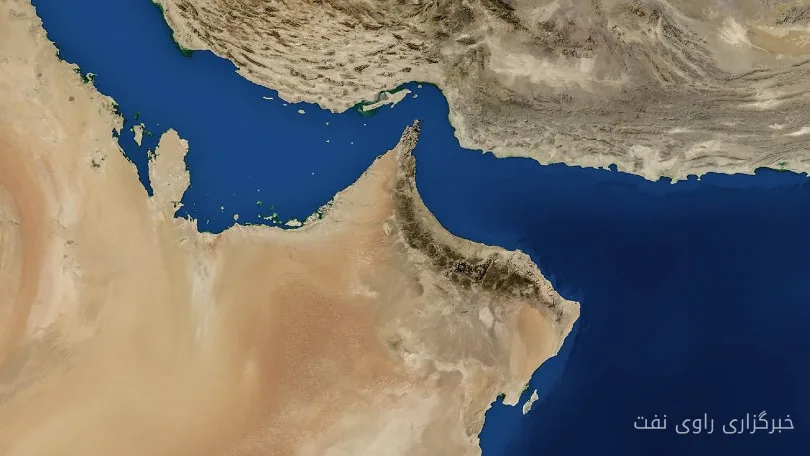
The control of tanker fleets in the Strait of Hormuz has significantly fallen into the hands of Gulf oil producers. This fleet includes nearly 230 tankers designed for oil exports from this strategic point and simultaneously helps reduce dependence on chartering tankers from the market.
Structure of the Arab Dark Fleet
The Arab Dark Fleet, which represents the largest change in tanker management since the tanker wars of the 1980s, is primarily managed by national oil companies of the Gulf. This fleet is designed to transport oil from oil terminals located in Iraq, Saudi Arabia, Kuwait, Bahrain, Oman, and the United Arab Emirates to oil transfer centers for other tankers on the coasts of the UAE and Oman.
Read more: Oil on the Verge of the Fourth Monthly Price Increase
Most of the tankers in this fleet are Very Large Crude Carriers (VLCCs), which are on average 12 years old. 80 percent of this fleet consists of these types of tankers, while the remaining 10 percent includes Aframax or LR2 tankers.
Economic and Geographical Impacts
The increase of the Arab Dark Fleet in recent months has contributed to an increase in oil transit volume from the Strait of Hormuz. According to preliminary data, crude oil exports (excluding Iran) from terminals located in the western Hormuz in October averaged 11 million barrels per day, showing a significant improvement compared to 1.56 million barrels per day in May 2023.
Additionally, Gulf oil producers continue to purchase second-hand tankers to quickly meet their needs in this fleet. One of the national shipping companies in the region has spent nearly $2 billion on tanker purchases in the past three months.
Meanwhile, a Korean shipowner is recognized as the largest operator of the Arab Dark Fleet. This owner, half of whose shares belong to a major shipping line, began purchasing and leasing VLCCs in December 2025 and now operates over 100 vessels in this fleet.
Ultimately, the Arab Dark Fleet will have a significant impact on the global oil market by exerting pressure on the global tanker fleet and tightening the oil supply chain.
Read more: Equinor Doubles Its Estimate for the Afruit Gas Discovery · Brazil Sets New Oil Production Record with 99% Petrobras Activity