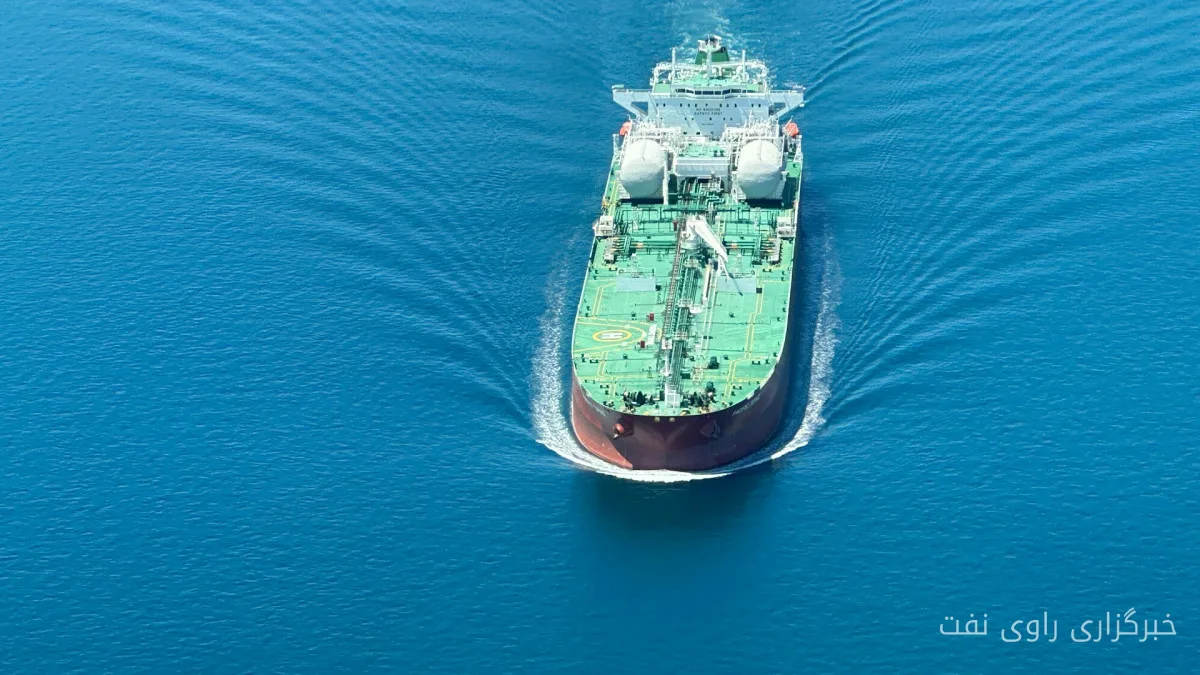
Saudi Arabia has redirected its oil exports to Yanbu due to recent Houthi attacks on oil infrastructure. Satellite images show that last week, there were 14 million barrels of oil capacity at the Saudi Arabian Gulf export terminals, the highest number of tankers since June.
Traffic Reduction in the Strait of Hormuz
While oil traffic in the Strait of Hormuz has decreased during the same period, with only twelve cargo ships passing through the strait, Saudi Arabia has recently passed 2.9 million barrels of oil per day through this strait. This change in oil exports is considered a "significant shift" among Gulf producers.
Read more: Oil Price Drop Due to Hopes for Iranian Diplomacy
Recent Attacks and Their Impact on Oil Exports
On September 11, drone attacks from Iraq halted the East-West pipeline of Saudi Arabia, known as Petroline, which typically transports up to 7 million barrels of oil daily from the fields of the Eastern Province to the Yanbu terminal. This attack rendered 4 to 5 million barrels of the pipeline's capacity unusable daily, reducing Saudi Arabia's total oil loading from 7.5 million barrels per day in January and February to about 2.1 million barrels per day by mid-September, indicating a decrease of over 70 percent.
The U.S. Energy Secretary has stated that the pipeline will be operational again in the coming days, but an industry analyst has indicated that pumping stations were damaged in the attack, and full restoration may take six weeks or more.
The Houthi movement's approach towards Yanbu and Aramco facilities on the nights of September 18-19 has raised new concerns about the security of this terminal. However, the Saudis have confirmed that these attacks did not damage civilian infrastructure and caused no losses.
Aramco transports oil to the Ras Tanura terminal in the Persian Gulf and then transfers it to larger ships in the Gulf of Oman. This process allows Saudi Arabia to move about 60 million barrels of oil loaded at Ras Tanura for delivery in September and October, primarily to refineries in China and South Korea.
Gulf oil exports have returned to an average of 1 to 1.5 million barrels per day, roughly in line with export levels in August.
Read more: Farhad Shahroki Emphasizes the Development of the Petrochemical Value Chain · Impact of the Yemen War on U.S.-Iran Relations



