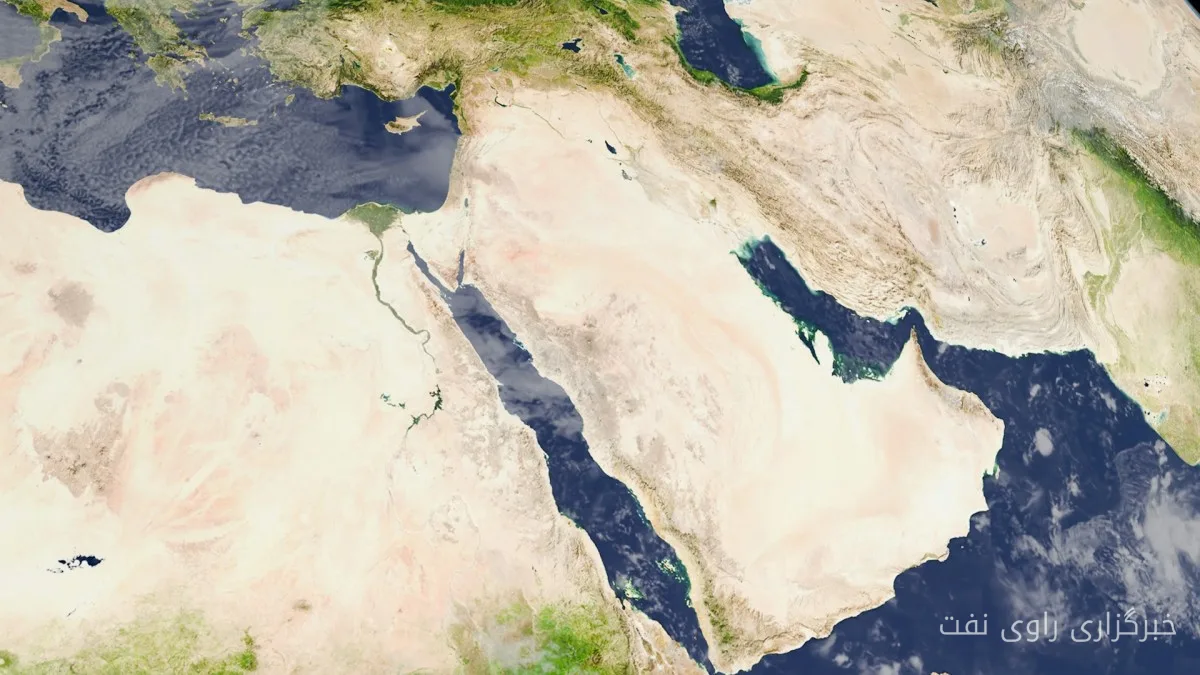
Saudi Arabia and the United Arab Emirates have halted planned negotiations with Iran on Monday to reopen the Strait of Hormuz. This action coincided with Houthi attacks on King Khalid Air Base in Khamis Mushait, where dozens of missiles and drones were fired at the base. The Houthis declared these attacks as retaliation for over 300 Saudi airstrikes in Yemen over the past five days.
Impact of Attacks on Global Energy Supply
Following these attacks, a drone strike attributed by the Saudis to Iranian-backed fighters in Iraq disabled the East-West pipeline in the country, which is the only route bypassing the Strait of Hormuz. This pipeline, with a capacity of 7 million barrels per day, transports oil to the Yanbu port on the Red Sea. Trade sources indicated that the shutdown of this pipeline could cut up to 4 percent of global oil supply.
Read more: New Nex+ Acquires Deltec Energy Shares
Yanbu Reserves and Oil Market Status
According to anonymous sources, the Yanbu port has only 5 to 7 days' worth of oil on hand, and at least four Asian refiners have not yet received any updates regarding loading plans from this port, which typically handles 4 million barrels per day. Brent crude prices rose by more than 3 percent on Monday after markets opened, reaching $108 per barrel, while West Texas Intermediate (WTI) crude prices hit $104.
Diesel prices in the United States also reached a new record high of over $6.23 per gallon, part of a price increase that has cost American drivers over $100 billion since the onset of the war in Yemen. ING's forecasts for Brent crude prices in the fourth quarter remain at $80, noting the volumes of oil still passing through the Strait of Hormuz.
The Houthis have also seized the island of Perim, which divides the Bab el-Mandeb Strait into two parts, and have stationed their forces on the larger and smaller Hanish islands located 86 nautical miles to the north. This strait handles 12 percent of global trade, including 11 percent of seaborne oil and 8 percent of LNG.
Read more: Russia Imported 172,000 Tons of Fuel from India in August · Increased Pressure on the Oil Market: Brent on the Brink of Crisis