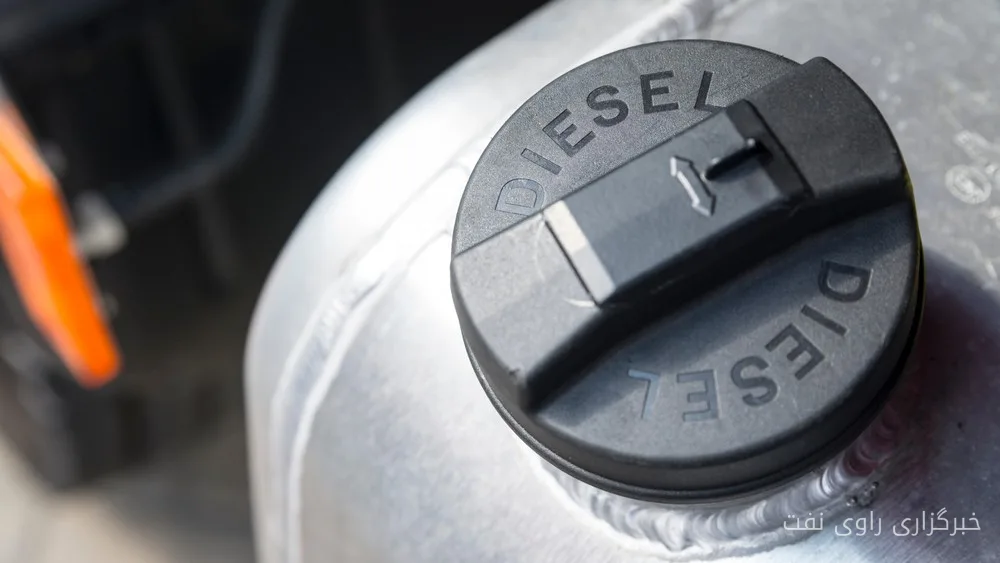
Syria increased the price of diesel by 40% on Saturday, and the price of gasoline also rose by 28%. This price hike has led to widespread protests in the country, with protesters blocking the highway connecting Damascus to Aleppo and setting tires on fire along the route to Turkey. These protests are considered the most severe unrest since the fall of Bashar al-Assad in December 2024.
Details of the Price Increase
The price of diesel has now reached 175 Syrian pounds per liter, and the price of household and industrial gas has also increased by approximately 9%. Protests have also erupted in the cities of Hama, Khan Shaykhun, and Maaret al-Numan, with oil tanker convoys heading to refineries being halted along the way.
Read more: Harbor Ends Purchase of Waldorf Astoria
Economic Reasons and Consequences
The Syrian Ministry of Energy described the price increases as "a temporary measure based on high global supply costs." According to Abdulhamid Salah, a spokesperson for the ministry, Syria produces about 102,000 barrels of oil daily, while domestic demand is approximately 325,000 barrels per day. This shortfall is compensated by the daily import of about 60,000 barrels of Russian crude oil. However, Ukraine's attacks on Russian refineries have reduced the country's production and forced Moscow to limit diesel and gasoline exports.
The Baniyas refinery, Syria's largest refinery, has been shut down for three months for major repairs this month. This maintenance is the first comprehensive upkeep since the fall of Bashar al-Assad, and according to the Syrian Oil Company, the production capacity of this refinery will increase from 80,000 to 130,000 barrels per day.
According to the United Nations Development Program, 90% of the Syrian population now lives below the poverty line, while before the civil war in 2011, this figure was about one-third. In this context, the United States has also supported a $5.7 billion pipeline project extending from Basra to Baniyas. This project, led by Chevron in collaboration with Total Energy and Syrian and Qatari investors, will have a capacity to transport 2 million barrels of oil per day.
Currently, Iraqi refineries are sending about 5,000 tanker trucks of crude oil to Baniyas daily, a process that began in April. Damascus has also regained control of oil and gas fields in Deir ez-Zor and Hasakah from Kurdish forces this year, which could help reduce the remaining Russian influence in Syrian energy, even as the Baniyas repairs put short-term supply under pressure.
Read more: Apache Fined £75,000 · Syria's Nuclear Secret; Reactions to News of a Hidden Reactor