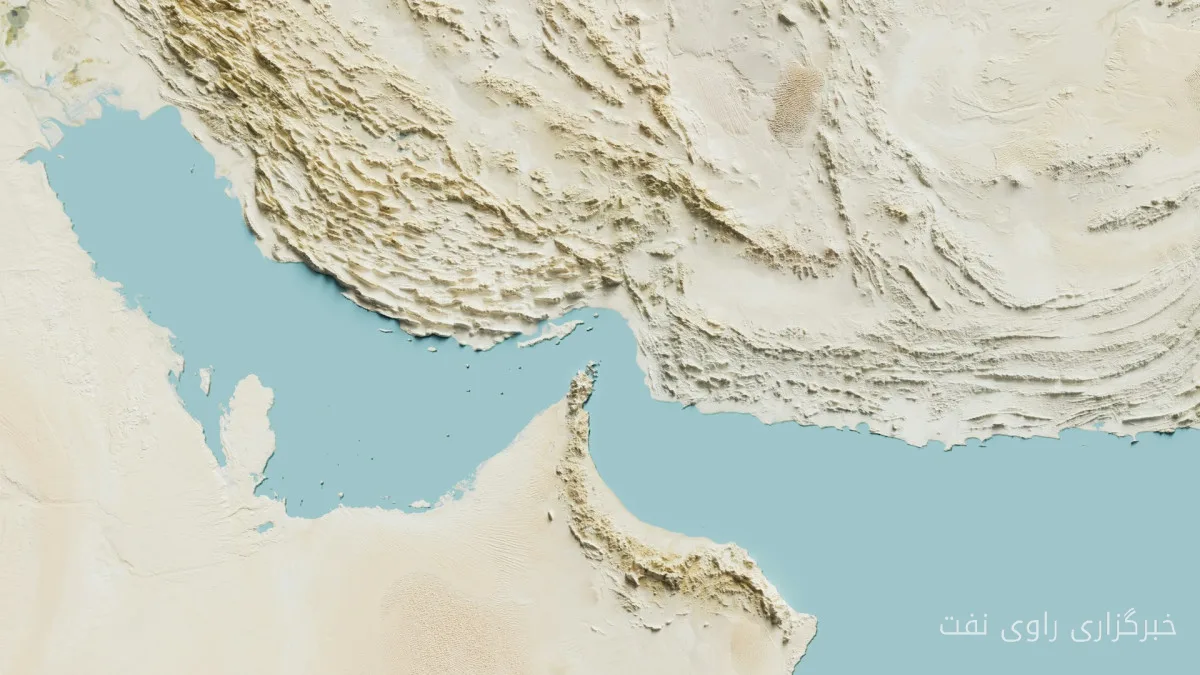
Rystad Energy reported that the likelihood of oil flow from the Strait of Hormuz returning to pre-war levels next year is low. The company predicts that the United States and Iran may reach some form of limited agreement by mid-2027 that would allow oil flow in the Strait of Hormuz to gradually improve, but fundamental disagreements will remain.
Challenges of a comprehensive agreement
The report addresses issues such as Iran's nuclear program, sanctions, Tehran-backed armed groups in the region, and maritime security that must be considered to reach a comprehensive agreement. Additionally, Israel's security interests must also be taken into account in these negotiations. Analysts led by Jorge Leon, head of geopolitical analysis at Rystad, believe that the likelihood of resolving all these issues this year is very low.
Oil flow and security situation
Despite the gradual improvement of oil flow from the Strait of Hormuz, this flow has not yet reached pre-war levels, which were approximately 18 million barrels per day. Rystad Energy estimates that crude oil exports from Gulf producers averaged nearly 12 million barrels per day in September and the first 20 days of October. This figure shows a significant improvement compared to lower levels at the beginning of the conflicts, but it is still significantly below pre-war levels.
Furthermore, the security situation around the Strait of Hormuz has worsened in recent weeks, with an increase in attacks on oil tankers. Analysts have warned that the risk of renewed military escalation after the U.S. midterm elections could be another obstacle to the improvement of oil flow in Hormuz.



