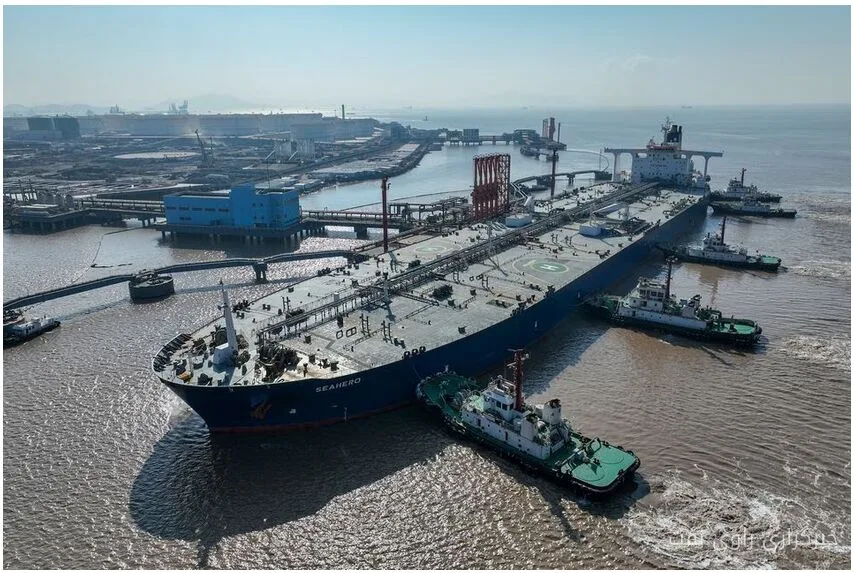
Russia's oil product exports in August 2023 reached 4 million and 570 thousand tons, marking a 16.4% increase compared to July. This increase in exports was due to the completion of unplanned maintenance operations at some of the country's refineries. However, fuel exports, particularly naphtha and fuel oil, have decreased by 50% compared to the same period last year.
Factors for Export Decline
Ukrainian drone attacks on key Russian refineries and port infrastructure this year, as well as the ban on diesel exports, are among the reasons for the decline in the country's exports. These factors have affected the status of Russia's oil product exports, and statistics indicate severe fluctuations in this market.
Read more: Gachsaran Oil and Gas Company Begins Designing the Second Phase of Sustainable Development
Export Details from Various Terminals
According to reports, Russia's oil product exports from Baltic Sea terminals, including Primorsk, Vysotsk, St. Petersburg, and Ust-Luga, increased by 32.7% compared to the previous month, reaching 2 million and 620 thousand tons. In contrast, fuel export shipments at Black Sea and Sea of Azov terminals decreased by 25.3% to 930 thousand tons.
Oil product exports from Murmansk and Arkhangelsk terminals also rose from 44 thousand tons in July to 130 thousand and 400 tons in August. Additionally, fuel loading at Russia's Far East terminals grew by 34% compared to July, reaching 890 thousand tons.
Consequences and Future Outlook
The decline in fuel exports and the existing fluctuations in the oil market seem likely to impact the global market due to political and military developments in the region. This situation could lead to changes in global oil and oil product prices, consequently presenting new challenges for oil-importing countries.
Read more: Emmanuel Macron Calls for the Re-release of Emergency Oil Reserves in Europe · Anvaros Analysis of 7 Million Barrel Damage to Refinery Capacity in Wars



