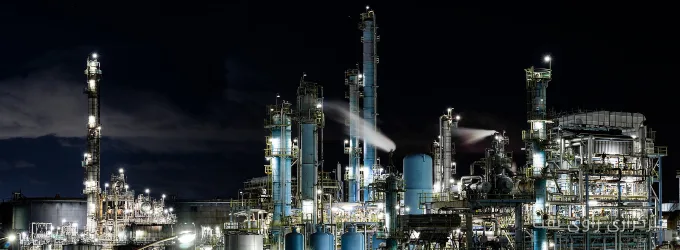
A new analysis by Enverus shows that approximately 7 million barrels per day of refining capacity in the Middle East and Russia has been damaged or restricted due to the wars in Iran and Ukraine. This capacity does not include regular periodic maintenance and is calculated from about 11 million barrels per day of refining capacity that is currently offline.
Impact on Product Markets
These disruptions have led to historic tightness in product markets and increased refining margins. At the time of the Enverus analysis, the 3-2-1 margin reached nearly $67 per barrel, and the distillate margin reached about $95 per barrel, placing it in the highest 1 percent of the past 16 years.
Read more: Potential Increase in LNG Demand in China and India
Reconstruction Timeline Forecast
Enverus predicts that futures markets expect a rapid normalization of refining capacity in 2027, but the physical reality may take longer. Even if the conflicts in Russia and Ukraine were to end immediately, nearly half of the severely damaged refining capacity may remain offline until the end of 2027.
Refineries that have been severely damaged may require six to eight months for repairs. Additionally, Russian facilities may face longer timelines due to sanctions, as these sanctions limit access to spare parts and technical expertise.
El Salazar, Enverus's director and author of the report, stated: "The market relatively expects refining capacity and product balance to normalize quickly by 2027, but physical reconstruction may take longer." He also noted that, given the existing inventory constraints and lack of sufficient incentives to replenish inventories, refining margins may remain elevated for a longer period.
In the absence of an early end to the wars or a significant reduction in demand, Enverus expects that the 3-2-1 and distillate margins will trade closer to current levels in the second half of 2027 than futures market predictions.
Enverus also pointed to the inverse market structure of products as a barrier to inventory rebuilding, as this economic structure provides limited incentive to hold petroleum products in storage.
Read more: Oman Seeking to Hold Hormuz Talks with Iran · Forecast of Rising Crude Oil Prices Due to Middle East Tensions