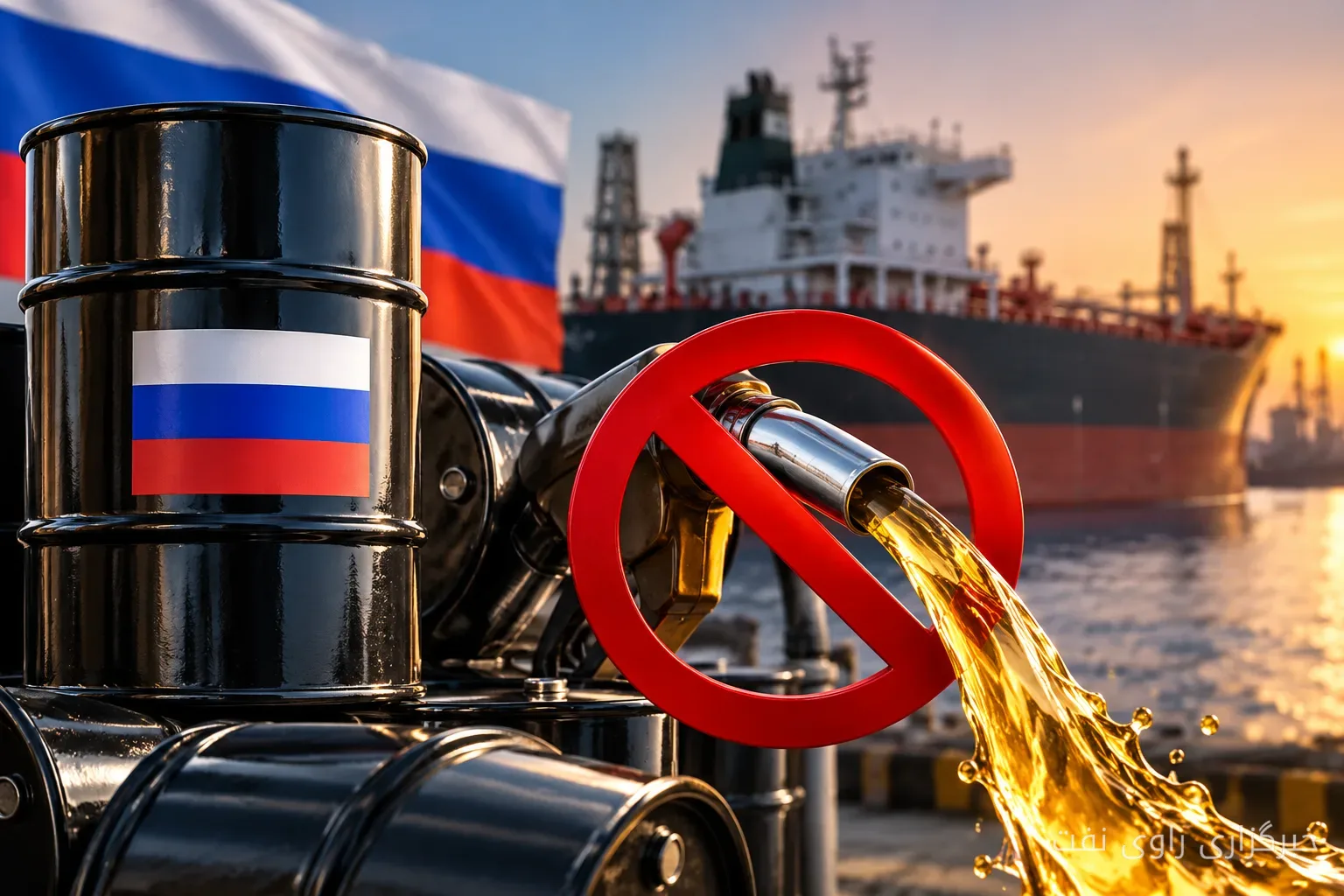
The Russian government has extended the ban on diesel, marine fuel, and gasoil exports until October 31, 2023. This decision was made in response to increased fuel demand during the agricultural harvest and to maintain stability in the domestic fuel market.
Reasons for Extending the Export Restrictions
In recent months, Russia has faced challenges in its domestic fuel market. Ukrainian drone attacks on the country's refineries and energy infrastructure have severely impacted refining capacity and the supply of petroleum products. In this context, seasonal demand due to the agricultural harvest has put additional pressure on the domestic market.
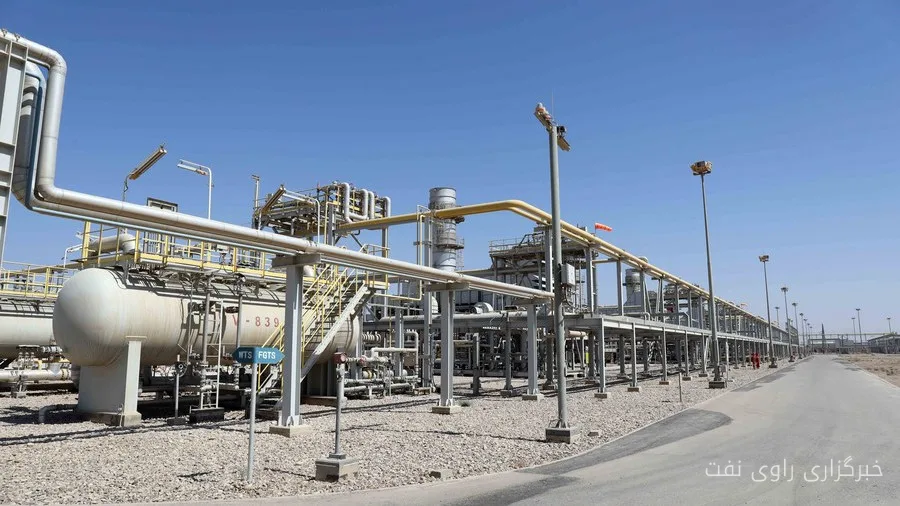
According to reports, six major refineries in Russia account for about half of the country's diesel production. The Kirishi, Volgograd, and NORSI refineries have either completely stopped or are operating at only a quarter of their capacity due to drone attacks. Additionally, the Yaroslavl refinery, with a capacity of about 300,000 barrels per day, was also targeted in a drone attack in September.
Diesel Export Status
Before implementing the new restrictions, Russia had already reduced its diesel export volume. The country's marine diesel exports fell to less than one million tons in June, compared to nearly 2.5 million tons during the same period last year. According to Bloomberg, Russia's share of global marine diesel supply was estimated to be around 10 percent before the restrictions were tightened.
Russia's export restrictions on other products are also ongoing. The Russian government has extended the ban on gasoline exports until January 31, 2027, and the jet fuel export restrictions will remain in place until November 30, 2026. However, some exports under intergovernmental agreements to former Soviet countries and Mongolia are exempt from these restrictions.
The extension of the export restrictions comes at a time when the global diesel market is already facing supply constraints. Disruptions in the supply of petroleum products in the Middle East, issues with Russian refineries, and increased seasonal demand in the Northern Hemisphere have all put pressure on the diesel market. For example, the diesel price margin in Europe compared to crude oil has reached about $82 per barrel.
The Russian Ministry of Energy has stated that these restrictions could be reviewed if domestic supply increases and reserves improve. Therefore, the extension of the restrictions until the end of October does not necessarily mean they will continue in the following months, and production and demand conditions will influence future decisions.