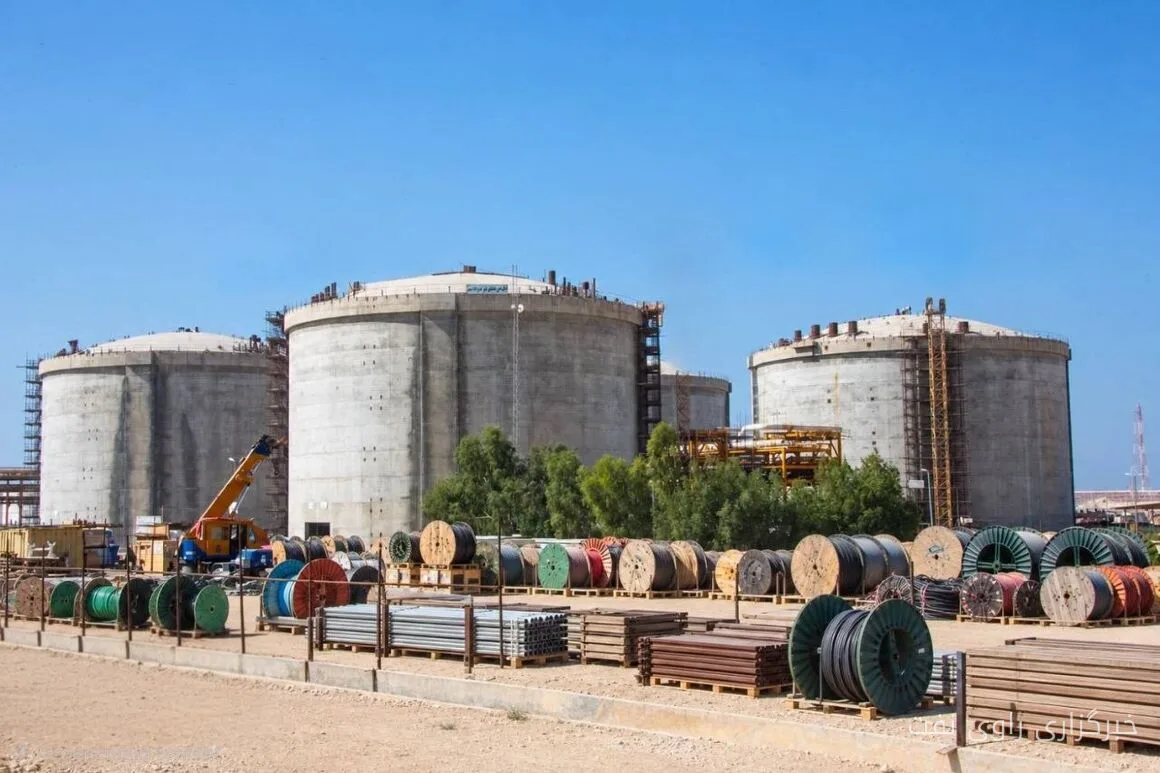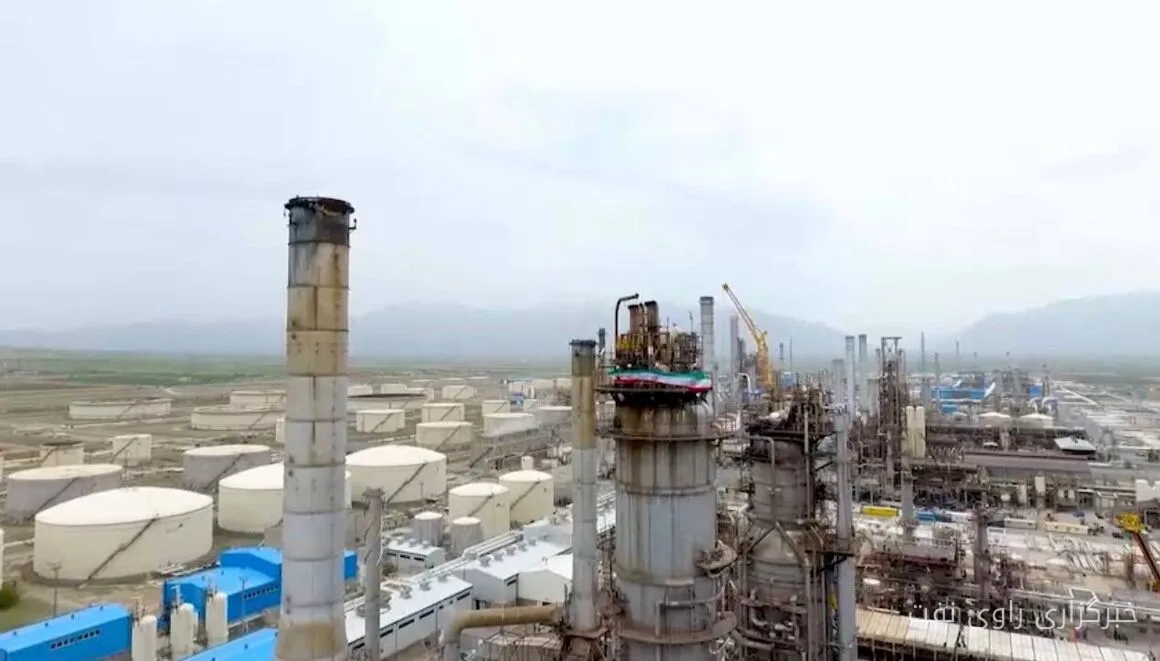
The recent 12-day war in the region and its resulting consequences have put Iran's oil and gas industry in the spotlight. From the Rey refinery to Assaluyeh, the country's energy chain was tested for its resilience during this crisis. In this context, not only were key infrastructures tested, but also the morale and capabilities of the employees in facing these challenges.
Resilience Test of the Energy Chain
In the critical conditions brought by the war, refineries and oil and gas pipelines were subjected to unprecedented pressure. This crisis showed that Iran's energy chain, especially in its weaker sections, needs strengthening and rebuilding. Each part of this chain is vulnerable to both external and internal threats, highlighting the urgent need for investment in infrastructures and modern technologies.
For instance, at the Rey refinery, employees were able to respond quickly to the emergency despite serious issues in securing raw materials and equipment. However, in Assaluyeh, the situation was much more complex, and there was a greater need for cooperation and coordination among various sectors. This indicated existing weaknesses in crisis management and insufficient preparedness.
Consequences of War and Crisis
The war and its consequences not only affected oil and gas production but also harmed the country's economic situation. With rising costs and declining revenues, many developmental projects in this industry were postponed. In these circumstances, examining weaknesses and strengthening infrastructures seems essential. There appears to be a need for a serious reconsideration of the management of the country's energy resources.
On the other hand, the intensification of sanctions and economic pressures on the oil industry has turned this crisis into a major challenge. Despite all these problems, the spirit and determination of the employees in this industry are commendable, but it is not enough. Financing and investment in modern technologies must be prioritized in the agenda.
Future Outlook
Although the resilience of Iran's oil industry has been proven in critical conditions, it is not sufficient. To prevent the recurrence of such crises in the future, the government and relevant institutions must focus on strengthening infrastructures and improving crisis management. This requires international cooperation and the use of experiences from other countries in crisis management.
Overall, Iran's energy chain in this crisis showed that its resilience is measured more by its weaknesses. Therefore, serious efforts must be made to strengthen this chain to become more resilient against future threats.