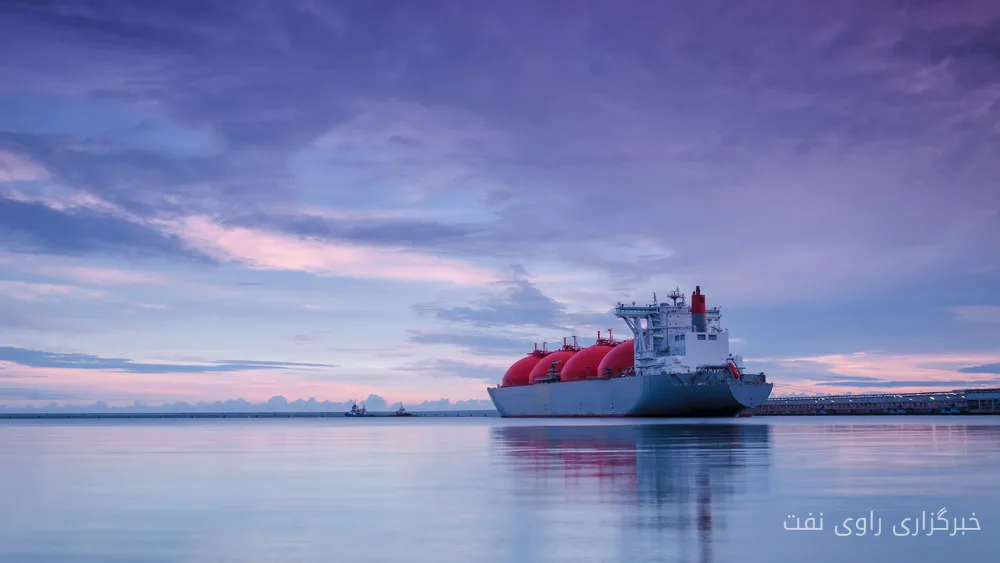
QatarEnergy has extended the force majeure on liquefied natural gas (LNG) deliveries to Asia and Europe until the end of November 2023. This decision was made due to the blockage of trade routes in the Strait of Hormuz and ongoing tensions between the United States and Iran. Qatar, which was previously one of the largest LNG exporters in the world, has informed its customers in Bangladesh, Pakistan, as well as a buyer in India and Italy's Edison, that the force majeure has been extended until the end of November.
Consequences of the Strait of Hormuz Crisis
The Strait of Hormuz, as one of the most important energy transit routes in the world, has been severely pressured by recent crises. Six months after the outbreak of war in Iran, Qatar, as the second-largest LNG exporter in the world, has suffered $24 billion in sales losses. Statistics show that Qatar's exports have decreased by up to 96 percent due to this crisis. The number of LNG shipments that Qatar has been able to export has dropped to only 18 shipments compared to 509 shipments during the same period last year.
Read more: CEO of National Petrochemical Company Restores 60% of Petrochemical Capacity to Production Cycle
Challenges of LNG Transportation
Although some LNG shipments from Qatar and the United Arab Emirates have recently managed to pass through the Strait of Hormuz or have undertaken ship-to-ship (STS) transfers outside this strait off the coast of Oman, the volume of these shipments is only a fraction of what Qatar was exporting before the war. Transporting LNG is significantly more challenging than oil due to its specific characteristics, and for this reason, Gulf producers have been seeking alternative methods to deliver oil shipments to their customers in recent months.
Read more: Seyyed Yahya Rahim Safavi Explained the Role of the Oil Industry in Defending the Country · Oil Prices Rise by More than 2% Due to Iran's Stance on the Strait of Hormuz