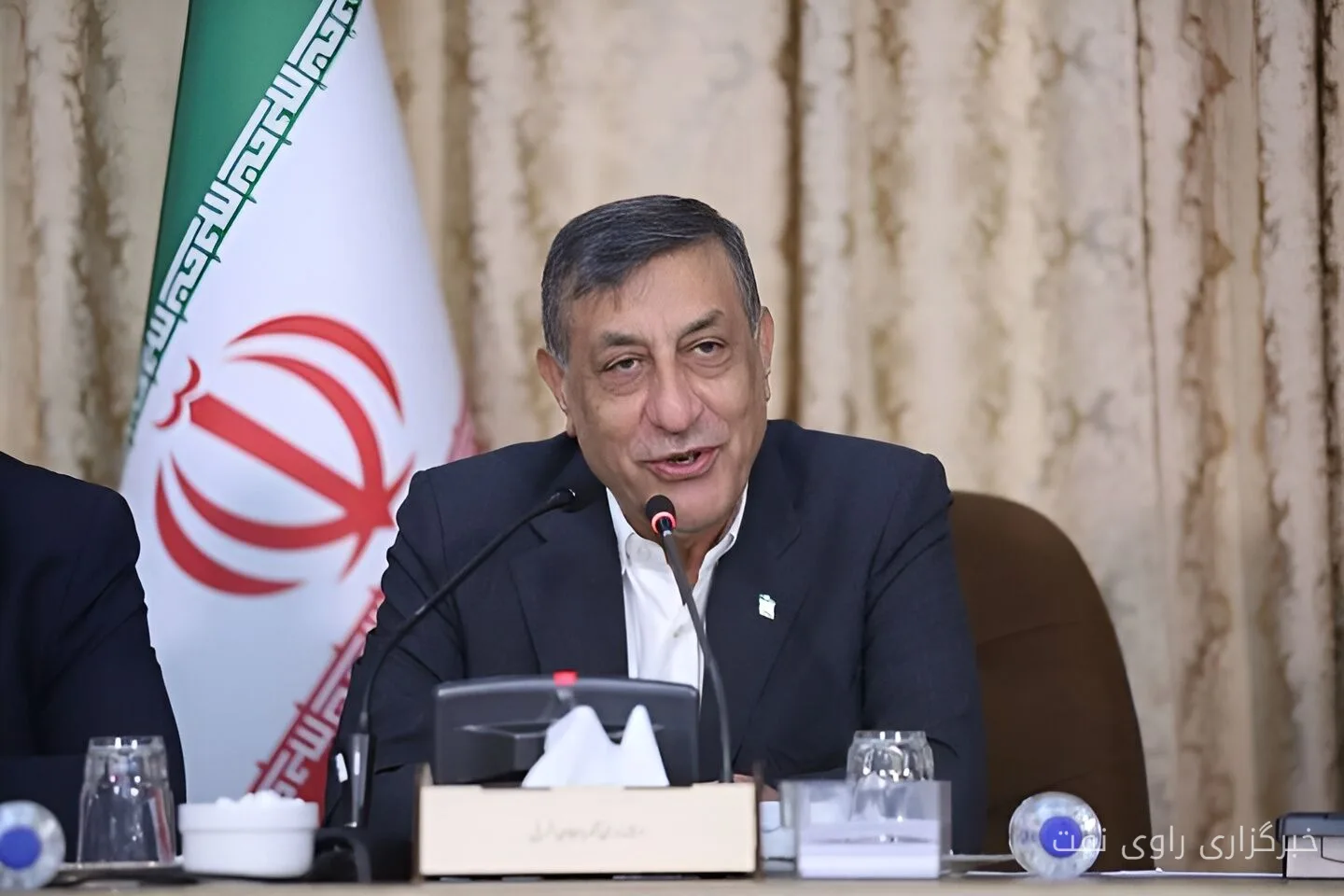
Mohammad Jafar Qaimpanah, at the thirty-fifth congress of the Iranian Scientific Ophthalmology Association, commemorated the memory of the martyrs of the 12-day war and the Ramadan war, and examined the scientific status of ophthalmology in Iran and the country's capabilities in various industries.
Advancements in Ophthalmology and Other Industries
Qaimpanah pointed out the advancements in ophthalmology in Iran, stating: "In the field of medicine, especially ophthalmology, fortunately, we are very developed compared to the region and may not lack anything compared to many countries in the world." He also mentioned Iran's capabilities in the steel and petrochemical industries, adding: "We are among the world's leaders in the steel industry and are also one of the countries that possess technology and knowledge in the petrochemical field."
Read more: Choosing a mode of transport: air, sea, or combined in the supply chain
The Executive Vice President referred to the bombing of steel and petrochemical industries during the war and said: "When our industries were bombed, in the shortest possible time, they were rebuilt solely by Iranians and without any foreign intervention, using the highest technology; this was a great epic."
U.S. Planning Failure for Iran
Qaimpanah referred to the issue of gasoline in Iran and stated: "The U.S. Treasury had announced that Iran would face a serious challenge in the gasoline sector in May, but with the measures taken, today we proudly no longer import gasoline and do not spend $12 billion on its import." He emphasized that this success has been achieved thanks to the efforts of prominent scholars and military scientists in the country.
He also pointed to regional developments and international collaborations, stressing: "High-ranking delegations from our three neighboring countries, namely Pakistan, Turkey, and Saudi Arabia, have come to Iran and declared that our main enemy is Israel and we must work together to ensure that this enemy cannot achieve its sinister goals."
Qaimpanah mentioned that Iran today has shown the world a lesson in freedom, resistance, and not succumbing to colonialism, noting: "The perceptions of Iran have changed in the international arena after the war."
He emphasized the necessity of strengthening the electoral structures of associations and the importance of member participation in decision-making, stating that no association should be perceived as being under the control of one individual forever.
Read more: The CCS project that was successful in all tests except the investment test · Implementation of the plan to transfer the free gasoline quota to personal cards in Khorasan Razavi