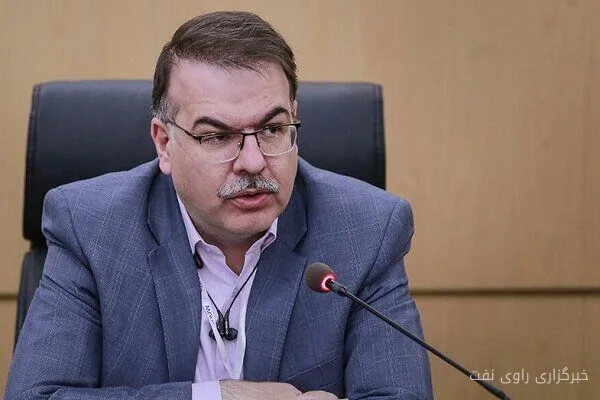
Omid Shakri, Deputy Minister of Oil and CEO of the National Petrochemical Company, provided explanations to reporters about the current state of the petrochemical industry following recent damages. He pointed out that the damages to this industry are categorized into two sections: damage to utilities and damage to specific petrochemical processes.
Restoration and Recovery Operations
Shakri stated that restoration and recovery operations are currently being carried out continuously in the two main hubs of the petrochemical industry in the country, namely Assaluyeh and Mahshahr. He added: "The reconstruction process in these two areas is being pursued vigorously, and efforts are being made to restore a significant portion of the lost capacities back into production by the end of this year."
Read more: Iran's crude oil exports continue in the Ahvaz oil field
The CEO of the National Petrochemical Company announced that approximately 60 percent of the damaged capacities have returned to production, and efforts to restore other capacities are ongoing. According to Shakri, the petrochemical industry is currently in a good position in terms of capacity recovery and readiness for production.
Energy Supply Challenges in Winter
Shakri highlighted the energy supply challenges for the petrochemical industry, noting that this summer, the reduction in petrochemical production was due to limitations in utility supply, especially electricity. He added: "In winter, there is also a possibility of restrictions on gas supply, a significant part of which is due to the gas imbalance in the country."
The CEO of the National Petrochemical Company emphasized that the situation for providing gas feedstock for the petrochemical industry will be more difficult compared to previous years. Shakri also referred to the damages inflicted on the oil refining industry, stating: "About 2 million cubic meters of the country's refining capacity has been lost." Nevertheless, he reported on the efforts of colleagues in the National Gas Company and the National Oil Company to restore some of these capacities back into operation.
Return of Currency from Petrochemical Exports
In response to another question about the status of exports and the return of currency from petrochemical exports, Shakri said: "Petrochemical companies directly supply their products to foreign markets, and their sales and currency return processes are conducted under the supervision of the Central Bank."
He pointed out the measures taken to maintain petrochemical product exports under wartime conditions and export restrictions, announcing that a significant portion of the currency from exports is returned to the country. Shakri emphasized that the return rate of currency from petrochemical exports is over 90 percent, and these resources are used to meet the foreign currency needs of various sectors of the economy.
In conclusion, the Deputy Minister of Oil noted that the priority of the petrochemical industry in the current situation is to complete the process of restoring damaged capacities, maintain production, manage energy limitations, and ensure the continuity of exports, with efforts being made to restore a significant portion of the lost capacities back into the production cycle by the end of the year.
Read more: Increase in B100 samples in Rotterdam in 2026 · TotalEnergies made the final investment decision in the Absheron gas field in Azerbaijan



