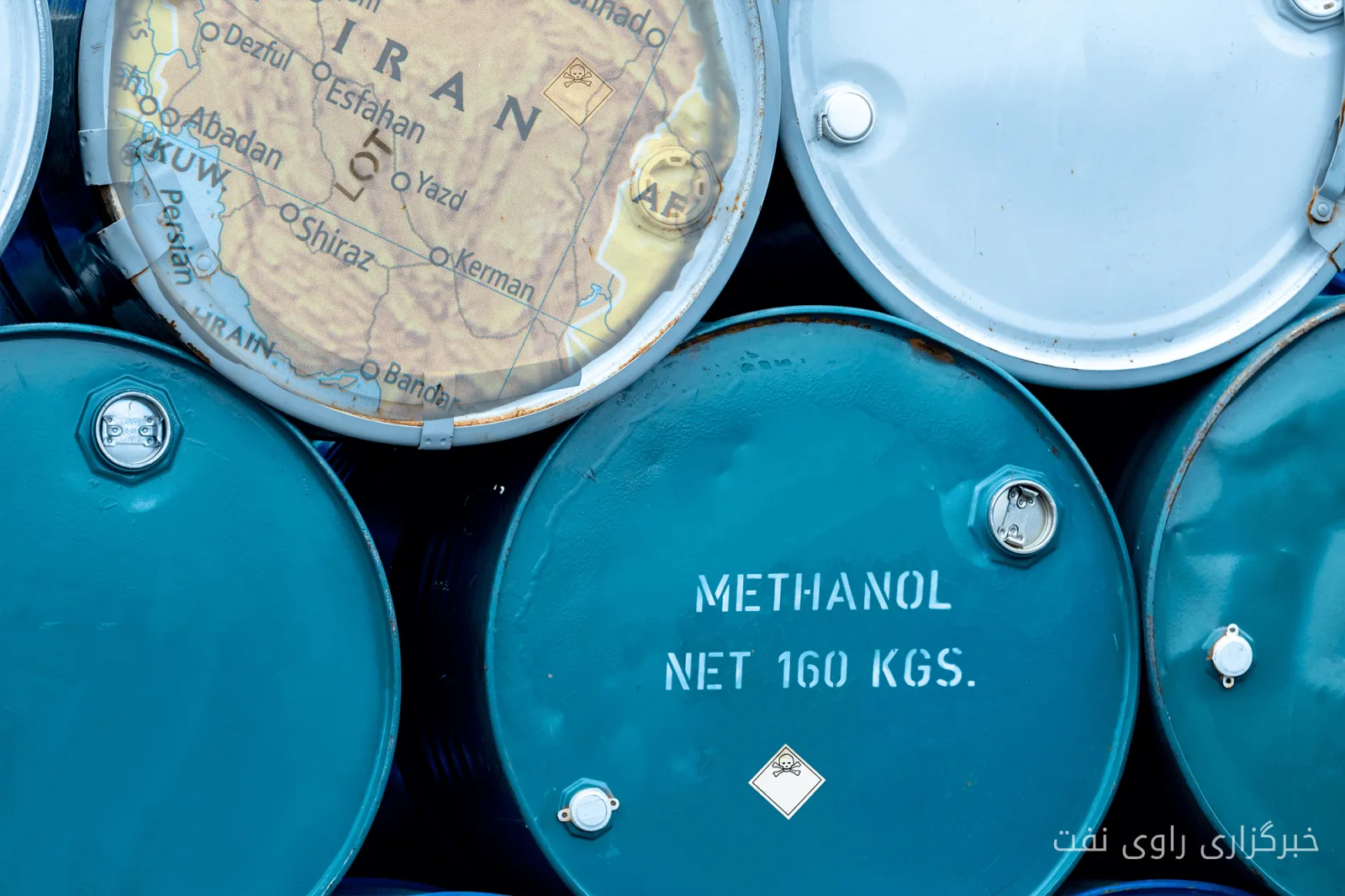
The production of single-cell protein using methanol, as an innovative biotechnology method, allows Iran to reduce its dependence on imported protein feed for livestock and poultry. With an annual nominal capacity of 17.4 million tons of methanol production, Iran can allocate part of its petrochemical capacity to supply strategic feed inputs for livestock, poultry, and aquaculture.
Challenges in Supplying Animal Protein
Dependence on imported animal proteins has made the country's food supply chain vulnerable to sanctions and trade disruptions. In the current situation, exploring new methods of protein production that rely less on agricultural land and water resources has become critically important. Single-cell protein, as an alternative solution, can help produce protein-rich biomass using microorganisms and raw materials such as methanol.
Read more: 1.1% Increase in Marine Coal Loading in 2026
Analysis of Single-Cell Protein Production Capacity
Single-cell protein refers to the dry biomass of microorganisms such as bacteria and yeasts that are produced under controlled conditions. These microorganisms can utilize various carbon sources, including methanol, for growth and the production of protein-rich biomass. Methanol has gained attention as a carbon source in single-cell protein production because its specific and uniform chemical properties facilitate process control.
With its natural gas reserves and methanol production capacity, Iran has become one of the significant producers of this product in the world. According to an OPIS report, Iran is expected to be recognized as the second-largest producer of methanol globally by 2026. This capacity can effectively meet the domestic needs of the country and reduce dependence on imported protein inputs.
Future Potentials and Challenges
However, methanol exports have faced difficulties due to international sanctions. Exploring the possibility of using methanol in the production of biological protein could be one of the options for developing domestic applications of this petrochemical product. Research results indicate that bacterial protein derived from methanol can serve as a substitute for soybean meal in the diets of broiler chickens and also in the feed for aquatic animals such as western white shrimp.
Producing biological protein from methanol could create a link between the capacity of the petrochemical industry and the needs of the agricultural and livestock sectors. By providing the necessary infrastructure, developing technology, and ensuring quality, this approach could help diversify food supply sources and strengthen the resilience of the country's food chain.
Read more: Proposal to Establish an Oil Bank to Improve Financial Services for Employees and Retirees · Bunkering Activities in Ningbo-Zhoushan Port with Supply of Three Different Fuels