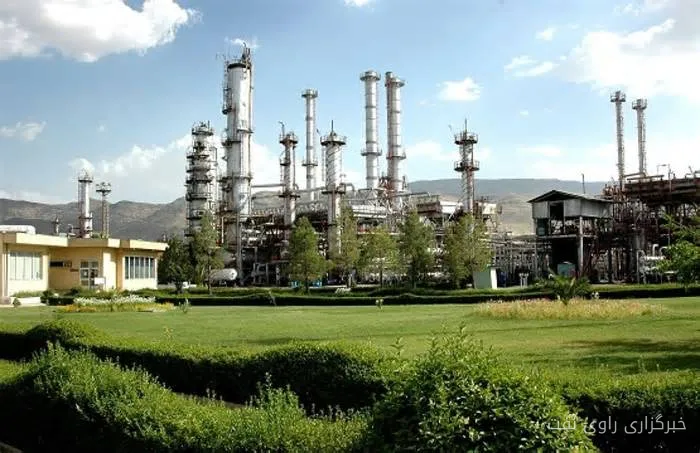
The performance of eight major refineries in Iran in the six months ending in Shahrivar 1405 provides a picture of the production, sales, revenue, and profitability of this industry. During this period, the Persian Gulf Star Oil Refinery recorded a net profit of 171 trillion rials, and the Isfahan Refinery with 169 trillion rials topped the profitability chart.
Profitability Growth of Refineries
The Persian Gulf Star Oil Refinery recorded an operational revenue of 1028 trillion rials in the first half of 1405, which is a 20 percent increase compared to the same period last year. The operating profit of this refinery increased by 220 percent to reach 250 trillion rials, and the net profit also grew by 264 percent to 171 trillion rials. These figures place the Persian Gulf Star Oil Refinery at the top in terms of net profit among the companies surveyed.
The Isfahan Refinery also increased its total production and sales to about 12 million tons in the first half of 1405, with both indicators showing a 9 percent increase compared to the same period last year. The operational revenue of this refinery grew by 196 percent to reach 1000 trillion rials, and its net profit reached 169 trillion rials.
Diverse Performance of Refineries
The Bandar Abbas Refinery recorded a production and sales of 9 million tons during this period, both indicators showing a 20 percent growth compared to the same period last year. The operational revenue of this refinery increased by 147 percent to 719 trillion rials, and its net profit amounted to 123 trillion rials.
In contrast, the Shiraz Refinery, with a production of 1 million 671 thousand tons and sales of 1 million 621 thousand tons, registered a 177 percent increase in operational revenue, reflecting a 602 percent jump in net profit to 24 trillion rials. The Tabriz Refinery also experienced a 366 percent growth with a production of 3 million 392 thousand tons and a net profit of 41 trillion rials.
Despite a 9 percent decline in production and sales, the Tehran Refinery recorded an operational revenue of 441 trillion rials, and its net profit reached 91 trillion rials. Additionally, the Lavan Refinery recorded an operational revenue of 69 trillion rials with a 36 percent decrease in production and a 47 percent decrease in sales.
This analysis indicates a discrepancy between the growth in rials of profit and the actual performance in production and sales. To more accurately assess the situation of the refineries, factors such as product sales prices and operational costs must also be considered.