Nikol Pashinyan, the Prime Minister of Armenia, has announced a strategic shift in the country's nuclear policies, stating that Armenia will seek to develop nuclear cooperation with Russia. This change in approach comes in the wake of increasing tensions with the West, particularly with NATO member countries.
Background of Changes in Armenia's Nuclear Policy
As a small country in the South Caucasus, Armenia has always been influenced by political and military pressures from its neighbors throughout its modern history. Given these pressures, Armenia is looking to strengthen its cooperation with Moscow as its only strategic ally in the region. This shift could mean increased Russian investments in Armenia's nuclear sector, which has previously had active nuclear facilities.
Implications of the Nuclear Policy Shift
This change in nuclear policy could affect Armenia's relations with Western countries. Pashinyan has stated that these collaborations will not only help strengthen Armenia's national security but could also lead to attracting foreign investments. However, this move may raise concerns among Western countries worried about increasing Russian influence in the Caucasus.
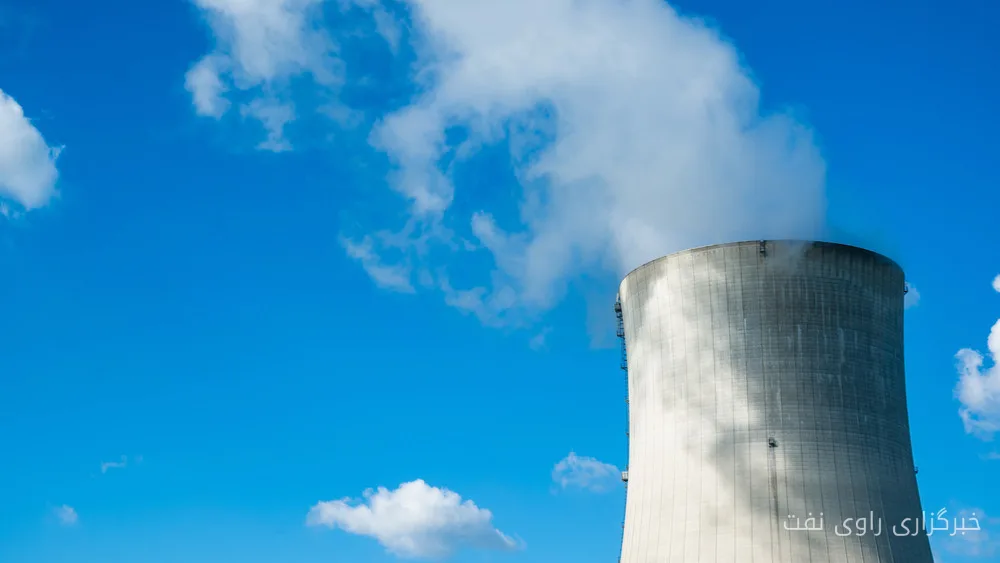
Currently, Armenia has only one nuclear power plant named "Metsamor," which has a production capacity of 400 megawatts of electricity. This plant has always been in the spotlight due to its old age and the need for upgrades. The nuclear policy shift could lead to increased security and military costs for Armenia and may also impact the country's economic and commercial projects.
Ultimately, these developments indicate a significant shift in Armenia's foreign policies towards the East, particularly Russia. Given the current conditions and global tensions, this decision could be seen as a strategic move to safeguard Armenia's national interests.
Read more: Masoud Pezeshkian and Vladimir Putin Emphasized Strengthening Energy Cooperation