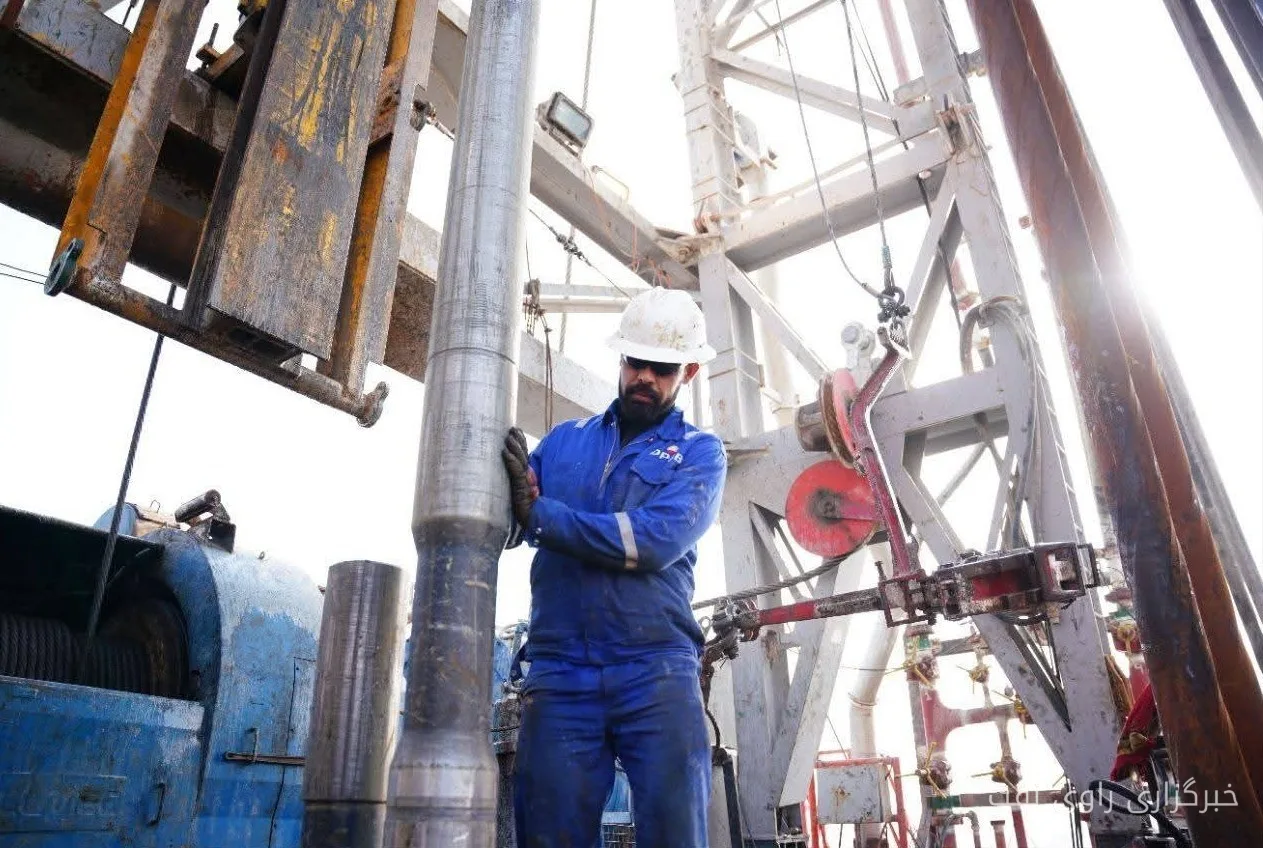
Iraq, a country with abundant oil resources, is striving to reduce the unemployment challenge that has become one of the main issues in the country in recent years through the development of the petrochemical industry. Recent protests by graduates in Basra have once again challenged this crisis and underscored the necessity of focusing on the petrochemical industries in this country.
Potential of the Petrochemical Industry in Iraq
Iraq has oil resources amounting to over 145 billion barrels, which can serve as a foundation for the development of the petrochemical industry. Given these resources, there is a high potential for establishing petrochemical units in the country. Specifically, the Majnoon oil field, with a production capacity of 220,000 barrels per day, is considered one of the strengths of this country in terms of developing the petrochemical industry.
Read more: The petrochemical industry is developing with $91.6 billion in investments
In addition to the Majnoon field, Iraq has other fields that can help supply raw materials for the petrochemical industries. These fields include the Kirkuk oil field and the Biji oil field, which have production capacities of 1.2 and 0.5 million barrels per day, respectively.
Challenges in the Path of Development
Although Iraq has rich resources, there are numerous challenges in this path. These challenges include inadequate infrastructure, economic corruption, and a lack of foreign investments. Recent protests in Basra, which followed demands for employment and improved working conditions, reflect public dissatisfaction with the economic situation and unemployment in the country.
Reports indicate that the unemployment rate in Iraq has reached about 25%, while many university graduates are seeking jobs. The petrochemical industries can help improve this situation by creating new job opportunities. Given the young and educated workforce in Iraq, the development of this industry is proposed as a key solution for reducing unemployment.
Conclusion and Future Outlook
Ultimately, if Iraq can overcome the existing challenges and leverage its petrochemical potentials, it could become one of the major hubs of the petrochemical industry in the Middle East. This would not only help reduce unemployment but could also lead to economic growth and increased oil revenues for the country.
Read more: Ilam refinery increases gas production efficiency · Iraq's state oil company transported 2 million barrels of crude oil from the Strait of Hormuz



