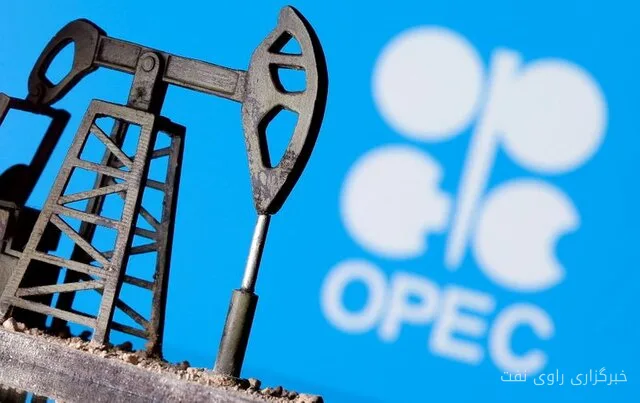
Seven influential countries of the OPEC+ coalition, including Saudi Arabia, Russia, Iraq, Kuwait, Algeria, Kazakhstan, and Oman, agreed to keep their quotas and oil production targets unchanged for December. This cautious decision comes at a time when ongoing disruptions in export and energy transit routes in the Persian Gulf have cast uncertainty over the return of physical oil to international markets.
Analysis of Oil Supply Structure
While the gradual cancellation of the voluntary reduction of 1.65 million barrels that began in September has started, the reduction of about 2 million barrels by most members remains in effect until the end of 2026. The gap between official quotas and actual production in the market is clearly evident. Due to operational constraints, transit challenges, and damage from tensions in the Persian Gulf's export infrastructure, several major producers in the region are effectively producing well below their allowable production ceilings.
Read more: Dehloran Petro-Refinery Collects 240 Million Cubic Feet of Flared Gas
Challenges of 2027 and Establishing Baseline
The critical and strategic test for the 21-member coalition will take place at the official meeting on November 29, where the structure of quotas and baseline references for 2027 will be on the agenda. The differences between "nominal capacity," "operational capacity," and "export logistical capability" are among the main knots of these negotiations, as revising the production baseline directly redefines each country's share of future capacity increases and their long-term foreign exchange revenues.
Oil Price Volatility and Future Outlook
Following the continuation of geopolitical risks and fears of immediate supply shortages, the price of North Sea Brent crude rose by 2% to nearly $118 per barrel, marking the highest record since April. However, the outlook for the 2027 market presents a dual scenario: in the short term, supply shortages and transit disruptions have kept prices at a peak, but the International Energy Agency's forecast indicates that with the restoration of bottlenecks in the Persian Gulf and the resumption of halted oil shipments, the possibility of a sustainable surplus and consequently a sharp decline in prices in 2027 cannot be ruled out.
Read more: Volodymyr Zelensky's Condition for Stopping Attacks on Russian Oil Refineries · OPEC+ Maintains Oil Production Quotas for Seven Countries in December