Turkmenistan announced the progress of the Turkmenistan-Afghanistan-Pakistan-India (TAPI) gas pipeline to the outskirts of Herat at an energy forum in Ashgabat in late October 2023. This project, which has the capacity to transfer gas from the large Galkynysh gas fields in Turkmenistan to neighboring countries, has faced delays for years and currently seems to be moving forward in its construction phases.
Details of the TAPI Project
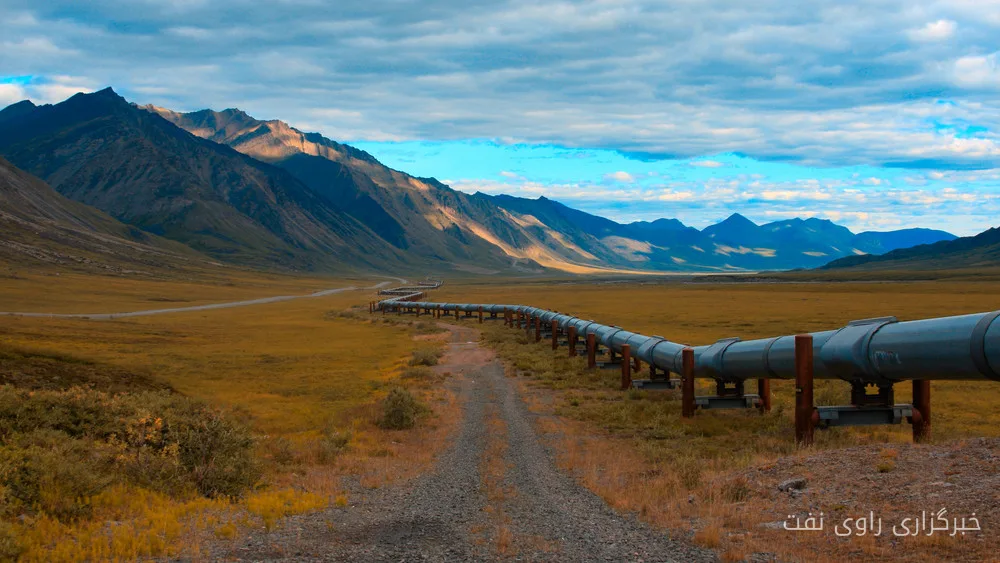
The TAPI pipeline, which is 1,800 kilometers long, is set to transport natural gas from the Galkynysh gas fields in Turkmenistan to consumers in Afghanistan, Pakistan, and India. According to the latest information, this pipeline has approached the outskirts of Herat and is expected to be operational by the end of 2026. Satellite images show that the pipeline is about 22 kilometers away from the industrial area of Herat and has currently reached a construction site nearby.
The TAPI project has been proposed since the 1990s, but various factors, including local unrest in Afghanistan and geopolitical tensions among the involved countries, have created significant challenges for its progress. However, recent developments stemming from the war in Iran and the closure of the Strait of Hormuz may have revived Pakistan's interest in this project.
Pakistan's Commitment and Construction Challenges
At the same conference where the progress of TAPI was announced, Faryal Laghari, Pakistan's ambassador to Turkmenistan, stated that Islamabad is now committed to advancing this project. Given the estimated cost of $10 billion for this project and the need for financial support, the question arises whether Turkmenistan will be able to secure financial backing from China to continue the project.
The construction segment of the pipeline to Herat has cost Turkmenistan about $600 million. Afghanistan has also raised the possibility of Russian investment in the continuation of the pipeline. With the development of this pipeline, Afghanistan could receive hundreds of millions of dollars annually from transit fees. However, Afghan workers are only participating as security personnel at the construction sites, and the construction work is entirely carried out by Turkmen engineers and equipment.
In Herat, residents have expressed happiness about the approach of TAPI and consider this project a sign of hope. However, some locals are calling for transparency in access to gas and fair pricing. Currently, Afghanistan will receive only 5 percent of the gas flow from this pipeline, with the remainder being divided between Pakistan and India.
Despite the vast gas resource potential of Turkmenistan, political and economic challenges could cast uncertainty on the future of TAPI. Experts believe that the future of this project heavily depends on international support and Turkmenistan's ability to manage large-scale projects.