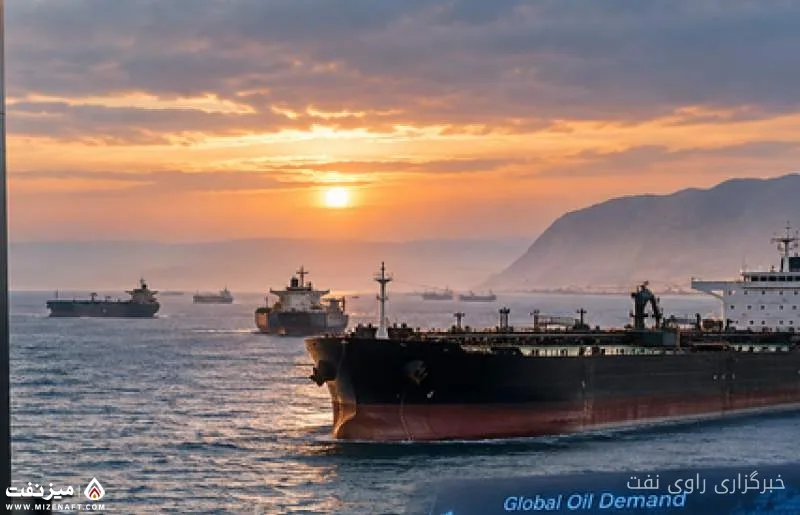
Following trade tensions between the United States and Iran, Brent crude prices, a global oil benchmark, rose by about 1% on Sunday. With trading resuming, this increase reflects concerns in the oil market and its impacts on prices globally.
Impact of Tensions on Prices
The average gasoline price in the United States has also been affected by these developments, reaching nearly $4.15 per gallon. This price increase could have significant consequences for consumers and the country's economy. Many analysts believe that these price fluctuations will continue due to political and economic uncertainties in the Middle East.
Analysts are closely monitoring the oil market and predict that if tensions persist, prices may continue to rise. This comes as global demand for oil is slowly growing, and the market seems poised to react to these developments.
Future Outlook
Given these developments, many experts believe that oil prices may climb to higher levels unless successful diplomacy is achieved to reduce tensions between the United States and Iran. In this regard, governments and major oil companies must carefully monitor the situation and take necessary actions.
Overall, the oil market is currently influenced by multiple factors, and recent developments could impact future prices. For this reason, all eyes are on international actions taken to manage this crisis.