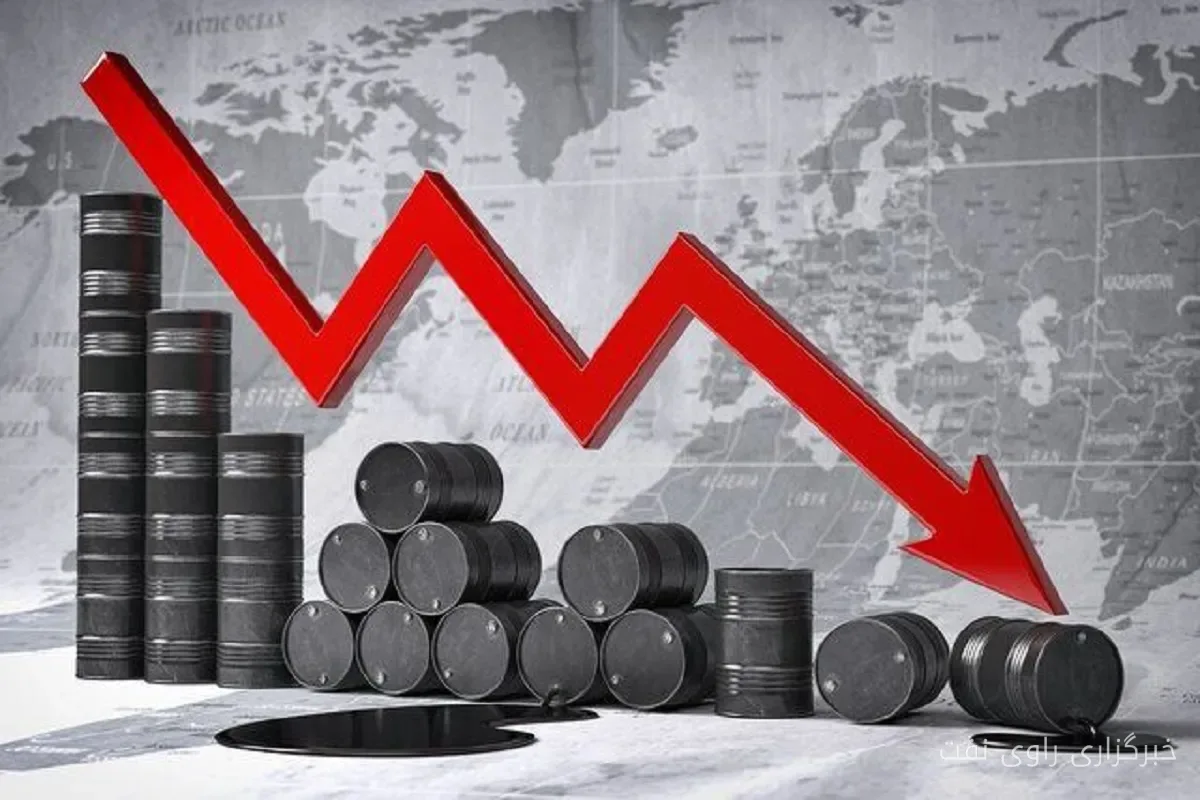
Crude oil prices fell by 2 percent on Friday, marking a decline for the third consecutive trading session. Brent crude fell by $2.3, or 2.2 percent, to $102.7 per barrel, while the futures price of West Texas Intermediate crude oil dropped by $1.85, or 1.8 percent, to $100.04 per barrel. Brent is on track for its first weekly decline in three weeks, experiencing a 2 percent price drop.
Progress in the Return of Oil Pipeline Capacity
Earlier this week, oil prices surged to about their highest level in four months; as credible sources predicted that crude oil loading at the Yanbu export port in Saudi Arabia on the Red Sea had stopped, and Riyadh had canceled some shipments to Europe following damage to the country's East-West pipeline in last week's attack. However, prices fell after reports indicated that Saudi Arabia is working to restore about half of its East-West oil pipeline capacity within a few days.
Read more: Russian oil product exports increased in August but are 50 percent lower than last year
Analysis of the Oil Market Situation
Saudi Arabia is also supplying more crude oil through ship-to-ship transfers near the port of Sohar in Oman to Asian refineries. Priyanka Sachdeva, head of market insights at Philip Nova, stated: "Recent efforts to restore Saudi export capacity have alleviated some concerns about oil supply." Experts provide varying estimates on the time required to reopen the pipeline and return crude oil flows to normal.
Analysts believe that oil prices will remain above $100 per barrel as markets await clear evidence of improvement in supply. Sachdeva added: "The key question is whether physical flows can normalize and what the timeline for that is. If we see a sustained improvement in traffic through the Strait of Hormuz, some of the geopolitical risk premium could be further alleviated." With ongoing tensions in the Middle East and the blockage of two strategic waterways that collectively account for 25 percent of the world's energy traffic, volatility in oil and energy markets is expected to continue.
Read more: Saudi Arabia's Withdrawal from Oil Deliveries to European Refineries · Oil Price Drop Following Easing Concerns About Supply