Following recent attacks on its East-West pipeline, Saudi Arabia has announced delays and cancellations in the delivery of crude oil to European refineries. These attacks, which targeted the country's facilities in the Riyadh and Medina regions, have raised concerns about the security of maritime transport routes.
Disruption in Oil Deliveries
According to reports, at least three major refineries in Europe, including those that had scheduled oil shipments for late September, are facing delays or cancellations in deliveries. These delays may continue until November. However, Saudi Arabia has not yet commented on these reports, and the state oil company Aramco has also not responded to requests for comment.
Read more: Fuel Demand Situation in North and South American Ports
Consequences of Drone Attacks
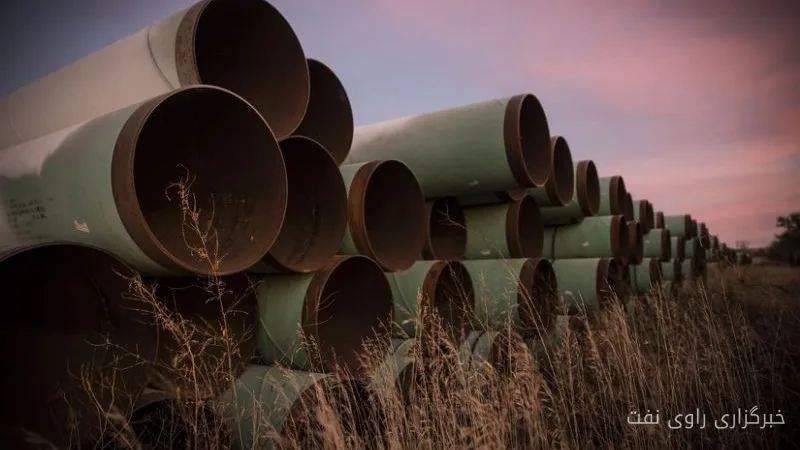
The drone attacks on the East-West pipeline last week, which transports crude oil from Saudi Arabia's eastern oil fields to the port of Yanbu on the Red Sea, caused a precautionary shutdown of the pipeline. This pipeline allows Saudi Arabia to keep its exports away from the Strait of Hormuz. Nevertheless, Saudi and Iraqi officials have stated that the drones used in these attacks were launched from Iraq.
Currently, technical teams are assessing the status of the pipeline, but the timeline for resuming oil pumping is unclear. Under the current circumstances, the existing oil reserves at export terminals may help facilitate shipments during the shutdown, but the duration of these reserves will depend on inventory levels and the speed of resuming deliveries.
Impact on the Global Oil Market
U.S. Energy Secretary, Chris Wright, stated that this disruption in oil deliveries may be limited to "days." Meanwhile, tensions in the Middle East and the control of the Houthis over the Bab el-Mandeb Strait, a key trade route between Europe and Asia, have raised further concerns about maritime transport security.
Qatar has also warned that losing access to the Bab el-Mandeb Strait could exacerbate existing disruptions in the Strait of Hormuz. Ibrahim bin Sultan Alhashimi, Director of Media and Communications at Qatar's Ministry of Foreign Affairs, said that this situation would be "catastrophic for the entire world" and called for international efforts to keep this waterway open.
Dialogue between Saudi and Egyptian Officials
Meanwhile, Mohammed bin Salman, the Crown Prince of Saudi Arabia, and Abdel Fattah el-Sisi, the President of Egypt, discussed maritime transport security in Cairo on Tuesday. El-Sisi emphasized that the security of Saudi Arabia and the Gulf countries is part of Egypt's national security and supported Saudi efforts to protect this country.
Read more: DNO ASA Changed Its Offer to Acquire Capricorn Energy to a Cash Offer · Brent Crude Oil Price Reached $104.24