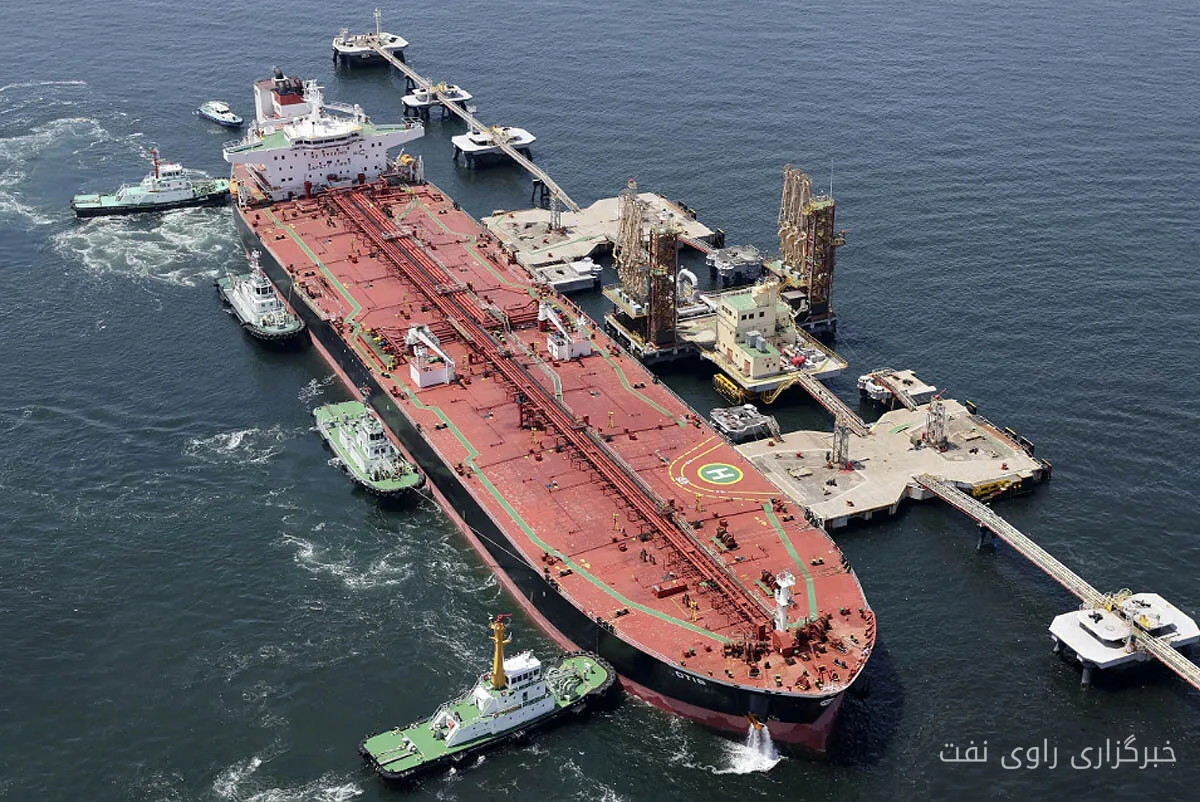
The oil market is currently facing serious challenges. Analysts report a supply deficit of about 3 million barrels per day for the fourth quarter. This deficit is due to a combination of uncertainty regarding the continuity of supply and the political and security situation in producing regions, especially the Middle East. Specifically, despite improved export flows from the Gulf oil fields, prices remain at levels above $110.
Factors Affecting Oil Prices
Analysts estimate that the average global demand will decrease by about 2.5 million barrels per day in 2026. Additionally, for 2027, if Gulf flows improve, a limited surplus of 290,000 barrels per day is anticipated. These figures send a dual message to the market: in the short term, there is a supply crunch, but in the long term, improved exports could change the situation.
Read more: Reoperation of the Junin-5 Oil Field in Venezuela by Eni
Currently, existing uncertainties in the market, especially regarding supply security, have added to oil prices. The "backwardation" structure clearly shows that buyers are willing to pay more for immediate access to oil. This indicates that the market is not pricing for barrels delivered today but also considers the cost of potential non-delivery of tomorrow's shipments.
Political and Security Impacts on the Market
Political and security developments also play a significant role in shaping market expectations. The U.S. midterm elections and political developments in Israel, along with concerns about the potential escalation of conflicts, impact oil prices. Experts believe that the approach of the U.S. elections may increase concerns about the possibility of renewed attacks on Iran.
Moreover, the abnormal decrease in demand in low-income countries due to rising oil and product prices is another significant challenge. Estimates indicate that market disruptions in the second quarter have reduced demand by about 5 million barrels per day, especially in countries with weaker economies.
Finally, the online OPEC+ meeting on Sunday, November 1, has drawn the attention of analysts and investors given the current market conditions. It is expected that this group will keep the December production target unchanged, but the actual capacity to transfer oil from production fields to export terminals and ultimately to buyers is a key issue that must be considered.
Read more: Ukraine Resumes Attacks on Russian Oil Refineries · Chevron's Profit Rises to $4.93 Billion in Refining