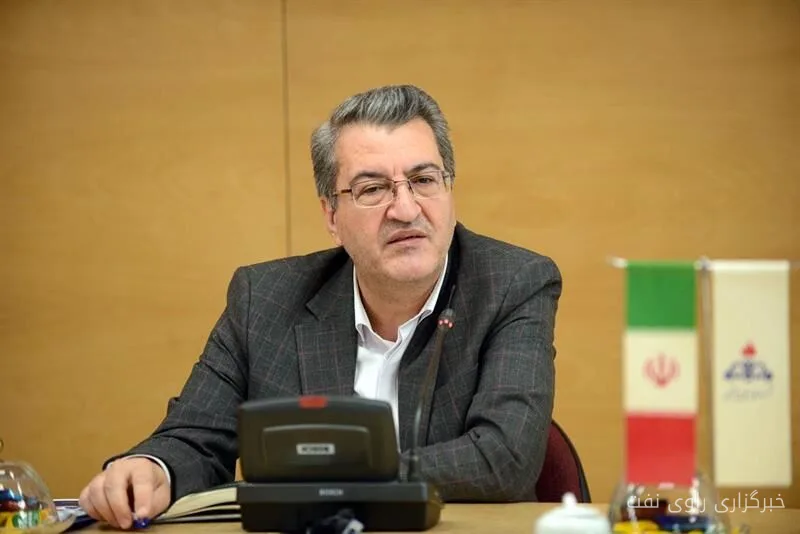
Davood Emadi, the Director of Safety, Health, Environment, and Civil Defense of the National Petrochemical Company, announced the issuance of the guidelines for the continuation of production and risk reduction in the petrochemical industry. These guidelines are designed to enhance resilience and sustainability in meeting the country's essential needs during crises and emphasize the protection of employees and residents of neighboring areas.
Review of Crisis Management Guidelines
Emadi, referring to the operational experiences gained during the two recent imposed wars, emphasized the necessity of revising and updating the crisis management guidelines. The review working group for these guidelines includes representatives from the crisis management working group of the National Petrochemical Company, crisis management working groups of special regions, holdings, and petrochemical companies, and is led by the country's Civil Defense Organization.
Read more: ADNOC Drilling enters Kuwait with two drilling rig contracts
The new guidelines are designed to provide special measures for crisis management and continuity of production in emergency conditions. These measures include defining specific responsibilities for each sector of the petrochemical industry so that essential functions of this industry continue uninterrupted in the event of communication disruptions.
Past Experiences and the Importance of Production Sustainability
Emadi continued by referencing the attacks by American-Zionist enemies during the third imposed war, stating that part of the production capacity of the petrochemical industry was lost at that time. However, the relentless efforts of employees led to the resumption of production recovery operations from the very days following the ceasefire. This process, with special attention to the principles of civil defense and meeting the essential needs of the public in downstream petrochemical industries, has made significant progress to this day.
In this regard, the National Petrochemical Company, as a key entity in the country's oil and petrochemical industry, aims to strengthen the necessary infrastructure for maintaining and continuing production during crises by formulating and issuing these guidelines. This action not only helps meet the country's needs but also serves as a fundamental step in supporting employees and residents of industrial areas.
Read more: LNG exports from the Strait of Hormuz reached their highest level since the beginning of the Iran war · Jam Petrochemical announced the finalization of negotiations for the replacement of liquid feed furnace burners in Shanghai