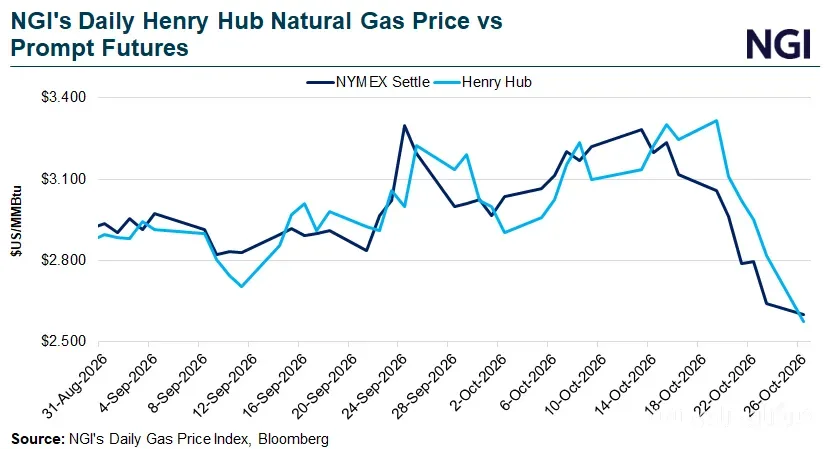
Futures prices for natural gas on the New York Mercantile Exchange faced pressure on Monday. This pressure stemmed from mild autumn weather and increased natural gas production, which has significantly impacted LNG (liquefied natural gas) demand.
Market Status Analysis
While global demand for liquefied natural gas continues robustly, mild weather conditions in the United States and increased natural gas production have led to lower prices. This situation has caused natural gas prices to reach their lowest levels by midday, although we later witnessed a rise in prices from the day's lows.
Read more: Eighth GECF Summit in Moscow and Strengthening Gas Cooperation
Price and Production Details
According to the latest data, the price of natural gas for delivery next month has reached $3.50 per million BTU, a 5 percent decrease from last week. Meanwhile, natural gas production in the United States has exceeded 100 billion cubic feet per day, and this increase in production has clearly impacted prices.
Given the weather forecasts, mild autumn weather is expected to continue, which could lead to reduced heating needs in northern regions of the United States. This situation may negatively affect natural gas demand.
Future Market Implications
Given the increased production and weather conditions, natural gas prices are expected to remain under pressure in the short term. However, in the long term, LNG demand may once again influence prices. Additionally, rising global demand for natural gas from Asian and European countries could help support prices.
Ultimately, natural gas producers must closely monitor market conditions and weather forecasts to properly adjust their strategies. This is particularly important during times when the market is facing price volatility.
Read more: Analysis of Human Performance in Maritime Incidents and Bridge Control Failures · The Karvar Mahan Plan Helps Manage Gas Consumption in Iran