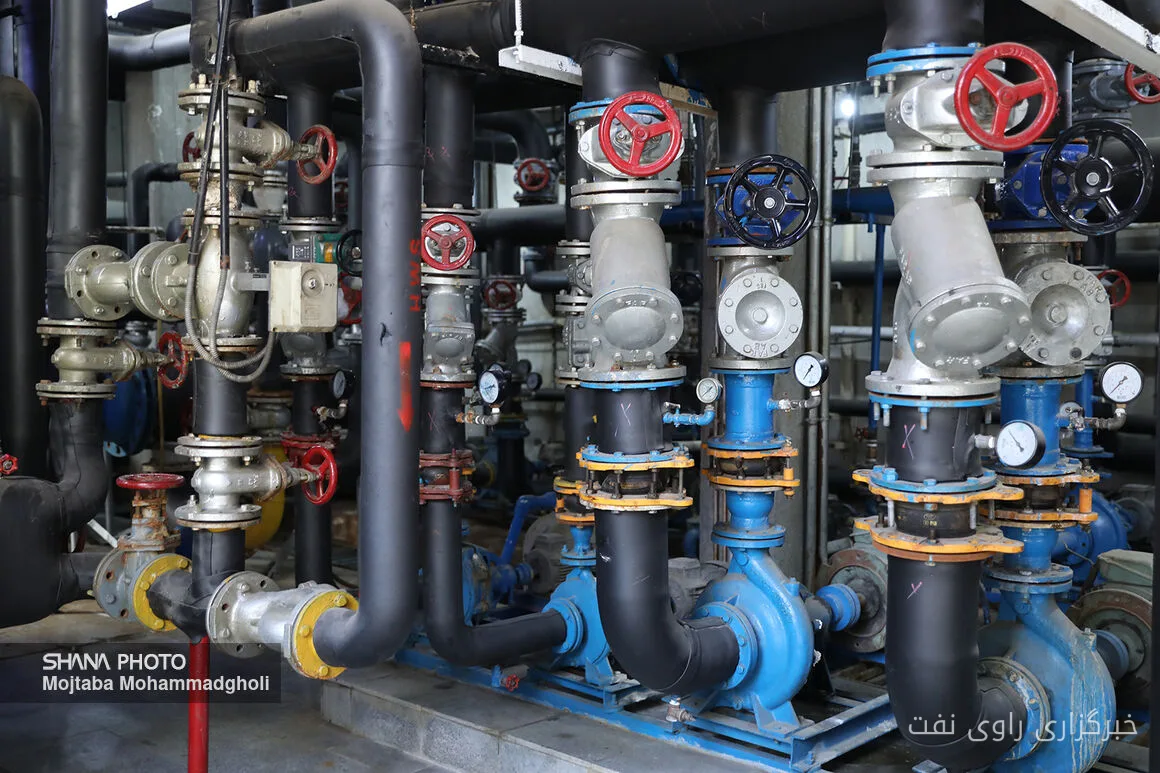
The National Iranian Gas Company and 111 energy operator companies have signed operational contracts as part of the government's efforts to manage the imbalance in natural gas and optimize energy consumption. This collaboration is designed to reduce gas consumption in various sectors including residential, commercial, agricultural, and industrial.
Importance of Optimizing Gas Consumption
The Ministry of Oil of the Islamic Republic of Iran has prioritized the development of new mechanisms to reduce gas consumption and optimize energy use. The main goal of this program is to minimize energy waste and achieve a 25 to 35 percent saving in natural gas consumption at the end of the consumption chain. By implementing optimization projects, energy operator companies can help reduce gas imbalance and also lower the costs for consumers.
The CEO of the National Iranian Gas Company, Saeed Tavakoli, announced that the savings from the contracts signed with energy operators will exceed one billion cubic meters by the end of the year. The share of the residential sector from this saving will be 2 million and 337 thousand and 84 cases, in the agricultural sector 2 thousand and 283 cases, and in the industrial sector 609 cases.
Contract Execution Models
In this plan, two types of contract models have been defined for energy operator companies. In the first model, the energy operator acts as a gas retailer responsible for distribution and consumption management within a specific area. In this model, the operator purchases the gas and manages its use. This model is particularly designed for managing consumption on a large scale, such as in a city.
The second model focuses on optimizing consumption, and the income of energy companies is generated from savings certificates. In this case, consumption reduction is achieved through technology and equipment changes as well as raising awareness among consumers. For example, optimization projects may be implemented in a bakery, and the amount of savings can be measured separately.
Currently, the energy operator plan is being implemented in various provinces including Isfahan, Razavi Khorasan, Qom, and Kermanshah. Other areas of this plan's implementation include optimizing consumption in bakeries and brick-making units. For instance, replacing old machines in bakeries can achieve up to 50 percent savings.
In brick-making units, estimates suggest that approximately 300 cubic meters of gas is consumed to produce one ton of bricks using traditional methods. By changing technology and improving the production process, this amount can be reduced to 27 million and 400 thousand cubic meters. These changes not only help save gas consumption but also improve air quality and reduce environmental pollutants.