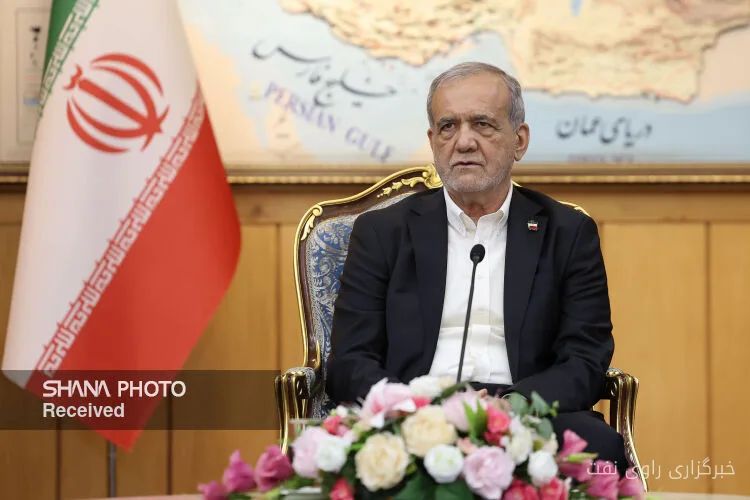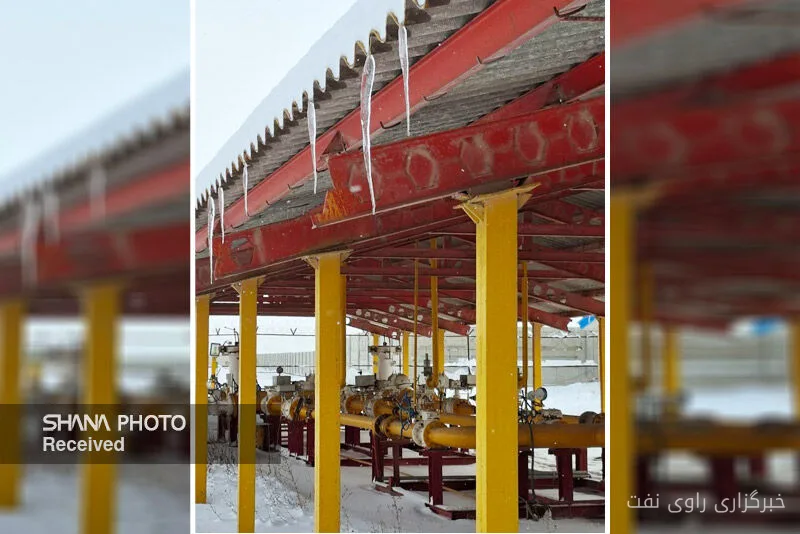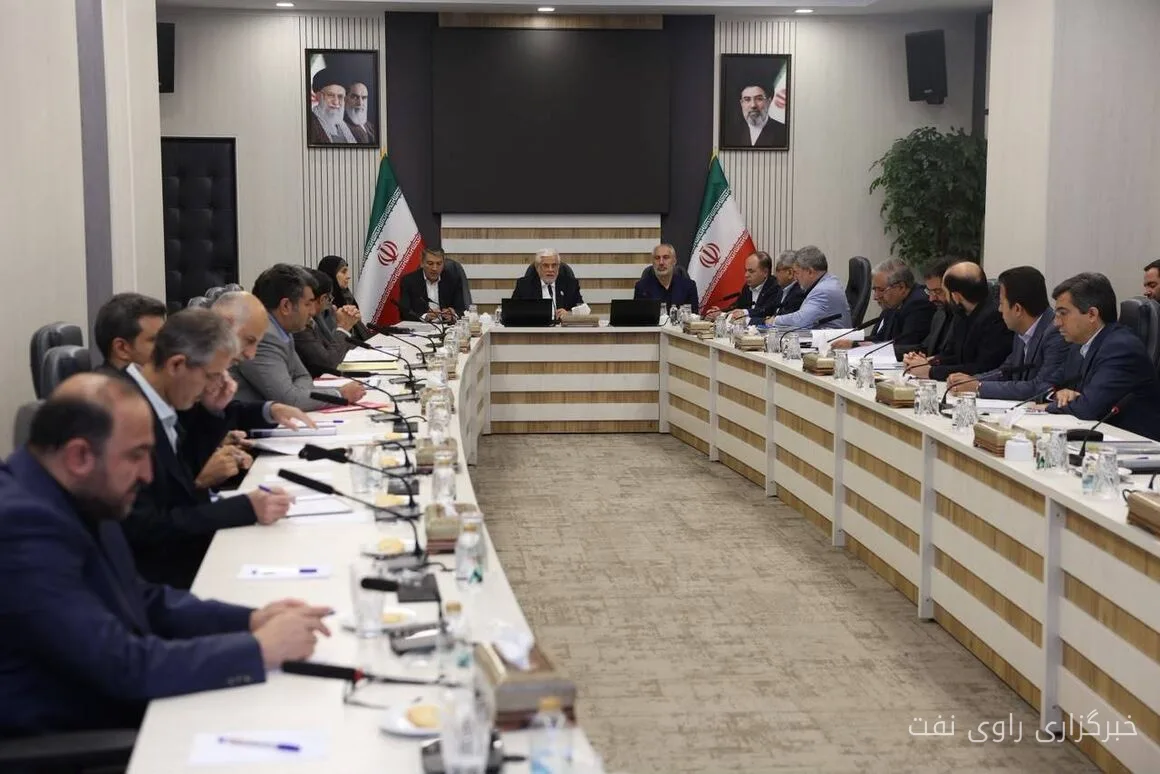
Mohammad Reza Aref today (Tuesday, November 4) at the Economic Council meeting, referring to the energy imbalance and the damages inflicted on the country's infrastructure, said: In addition to the existing imbalance in the energy sector, the enemy damaged the production capacity of 230 million cubic meters of gas during the imposed war.
The Necessity of Maintaining Gas Network Stability
Aref further emphasized that given the current conditions, we must maintain the stability of the gas network for the cold months of the year to ensure gas supply for cold and remote areas. He added: Alongside efforts to rebuild the damaged infrastructure, we need the cooperation of the people for conservation.
Energy Consumption Management and Price Reform
The First Vice President stated the necessity of energy consumption management and emphasized that we are inevitably required to reform prices for high consumers, and if we do not pay attention to the consumption levels, we will have to cut off their gas. Aref also referred to the government's determination to continue structural reforms in the energy sector and said: Necessary decisions will be made with the consultation of elites and the cooperation of the people.
He continued: The President's emphasis is also that the resources obtained from structural reforms should be spent on people's livelihoods and vouchers in society. Additionally, while focusing on the strategy of keeping the people hopeful, we must also convey the realities of the country to society and emphasize that structural reforms and solving imbalances are carried out for the development, progress, and resolution of the country's problems.
10 to 15 Percent Energy Consumption Savings
Seyyed Hamid Pour Mohammad, head of the Planning and Budget Organization, also stated at this meeting: With the round-the-clock efforts of oil and gas companies, a significant part of the damaged facilities in this sector has been rebuilt, but to maintain the stability of the gas network in the winter season, a 10 to 15 percent savings in consumption is essential.
Members of the Economic Council also approved the guidelines for oil refining companies in the process of selling feedstock to these companies and purchasing their produced petroleum products through the issuance of export permits for surplus liquefied gas and white oil beyond domestic needs. According to this resolution, the possibility of using the export of the mentioned products after meeting domestic needs in the payment mechanism to refining companies is provided.
It was also announced at this meeting that the gas sector reform package has been finalized and its report has been submitted to the President.