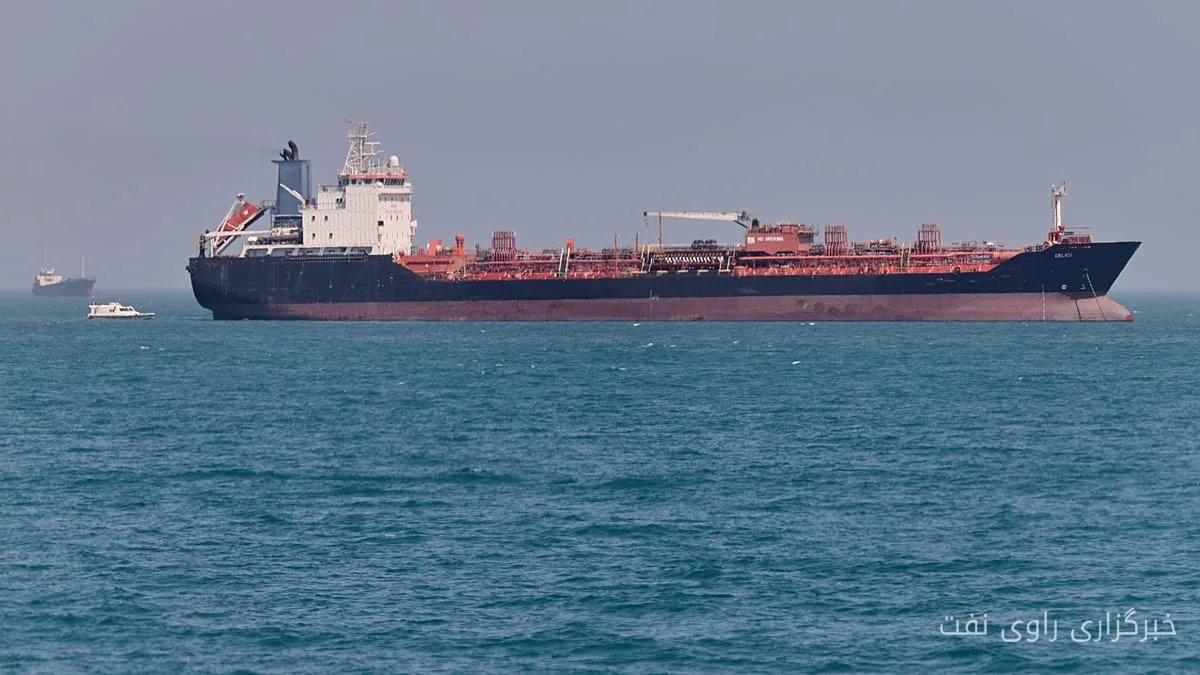
Crude oil exports from the Gulf region of the Middle East, excluding Iran, have returned to pre-war levels in September despite attacks on ships in the Strait of Hormuz. Maritime tracking company Kpler reported that from September 1 to 28, at least 16.5 million barrels of crude oil were exported daily from this region, which is equivalent to the pre-war average. This figure also represents an increase of 10.5 million barrels per day compared to the monthly average in March.
Changes in Export Routes
However, 40 percent of these exports no longer pass through the Strait of Hormuz, whereas before the war this share was 17 percent. Pipelines from Saudi Arabia and the United Arab Emirates serve as the main alternative routes for oil exports. A significant portion of the crude oil passing through the Strait is also transferred to other tankers in international waters. This data includes both crude oil and gas condensates and also accounts for shipments through the Red Sea; a route that exporters are increasingly using to circumvent Iran's attempts to blockade Hormuz.
Read more: OPEC+ Decision on Oil Production for November
Economic Impacts and Oil Market Status
Before the conflict, about one-fifth of the world's oil supply passed through the Strait of Hormuz. Oil prices are still significantly higher than pre-war levels. Brent crude futures for delivery in December are trading at $102.25 per barrel, while the U.S. benchmark, West Texas Intermediate, is priced at $90.50 per barrel. While Brent futures were around $72 before the war, disruptions in the passage of ships through the strait have created a wave of shock in the global economy, forcing countries to seek alternative routes.
Iran continues to claim control over this waterway, and ships moving without its permission are at risk of attack. However, more vessels are managing to pass through, and alternative routes are operating at maximum capacity. Experts warn that despite the improvement in exports, conditions are still far from normal. The U.S. blockade of Iranian ports continues to restrict a large portion of Iran's oil exports.
Saudi Arabia has benefited from the reopening of its East-to-West pipeline; a line that connects the most important oil fields in the eastern part of the country to the Yanbu terminal on the Red Sea coast, bypassing the Strait of Hormuz. Amna Baker, a Kpler analyst, stated that this pipeline was halted after attacks from Iraq on September 11 and resumed operations on September 22. The United Arab Emirates also has an alternative route to bypass Hormuz; a pipeline that connects Abu Dhabi's oil fields to Fujairah, a terminal on the Oman Sea coast outside the strait.
The improvement in exports comes as seven main members of the OPEC+ coalition, including the Organization of the Petroleum Exporting Countries and its allies like Russia, have agreed to keep their production targets unchanged for November as expected. These seven countries produced about 25 million barrels of crude oil per day in August, which, according to the September OPEC report, is 630,000 barrels per day more than the level in July.
Read more: China Limited Fuel Exports and Gasoline Refining Margins Hit Record · Gas Supply to Industries Increased Despite Reduced Production in South Pars