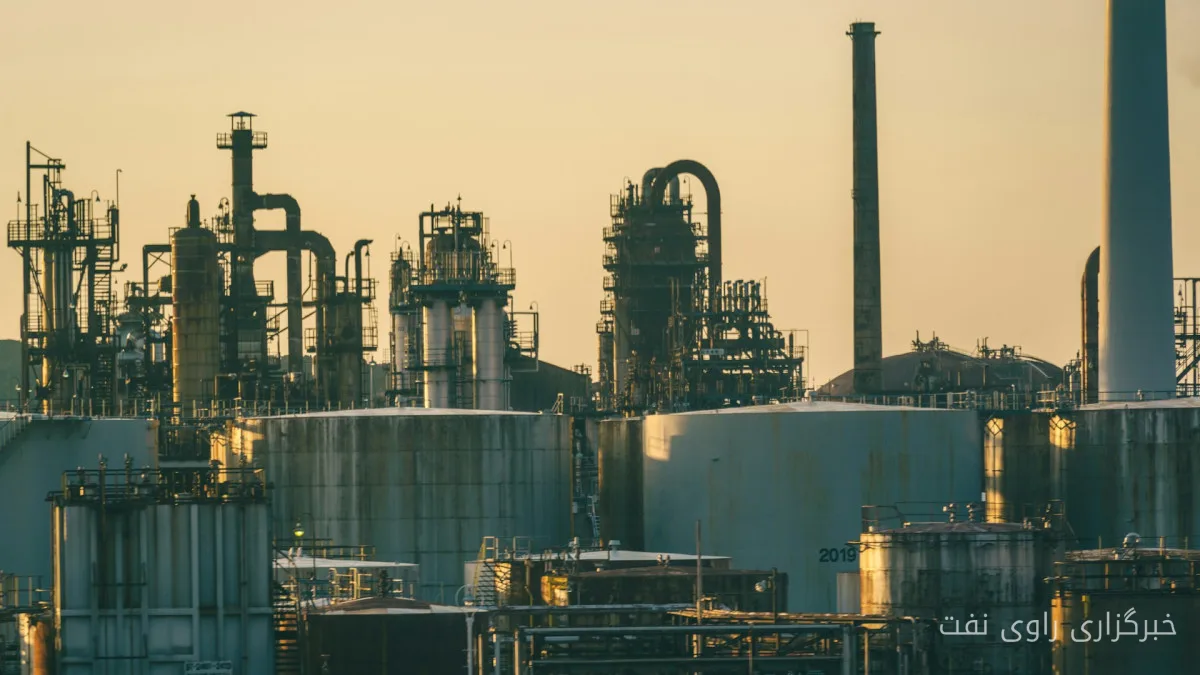
Middle East crude oil exports are recovering to 80 to 85 percent of pre-war capacity. This figure includes pipeline shipments, but exports of refined products remain at a low level. This imbalance in recovery indicates that Gulf producers prioritize crude oil shipments over refined products, while the Strait of Hormuz remains vulnerable due to security conditions.
Status of Refined Product Exports
According to Fereydoun Fesharaki, CEO of industrial consultancy FGE NexantECA, Middle East crude oil exports, including pipeline shipments, have reached about 80 to 85 percent of pre-war levels. Currently, exports of refined products remain limited to about 35 to 40 percent. This situation is due to the vulnerability of oil infrastructure, especially refineries, to drone attacks. A senior market analyst at Vortexa, Zangle Tang, stated that these factors have led Gulf producers to pay more attention to crude oil shipments.
Read more: National Iranian Gas Company Prioritizes Energy Consumption Optimization
Increase in Qatar's LNG Loadings
Good news is coming from the Strait of Hormuz. Qatar's liquefied natural gas (LNG) loadings have reached 13 to 15 shipments every 10 days this month. This is an increase from about 11 shipments in October and is nearing half of pre-war capacity. This data is based on various sources, including Bloomberg, Kpler, and Copernicus. The increase in Qatar's LNG supply to the global market could be good news for Europe, where natural gas reserves are significantly below seasonal averages and gas prices are trading around 82 euros per megawatt-hour.
Despite an attack on one of Qatar's LNG tankers last month, exports and transit through the Strait of Hormuz have not decreased. Previous attacks had also slowed Qatar's LNG flow through the Strait of Hormuz. These positive developments seem promising in terms of ending tensions and alleviating the global energy crisis, but global reserves have significantly declined this year.
Ukraine's ongoing targeting of Russian refineries indicates that global markets will remain under serious pressure, especially for diesel. For Europe, the time to rebuild natural gas reserves has run out, and withdrawals from seasonal reserves have begun for several weeks.
To counter the potential uncertainty in the Strait of Hormuz, Qatar has taken steps to purchase up to 7 million tons of LNG annually from the United States from Cheniere and Woodside. These contracts, which will begin production in 2030 and 2031, strengthen the U.S. position in LNG in the 2030s and represent a significant shift as one of the world's largest LNG exporters turns to its major competitor for insurance against uncertainties in the Strait of Hormuz.
Read more: Localization of Equipment Aids in Sustaining Production at Sirik and Qeshm Refineries · 15% Increase in Iraq's Crude Oil Exports in October 2026